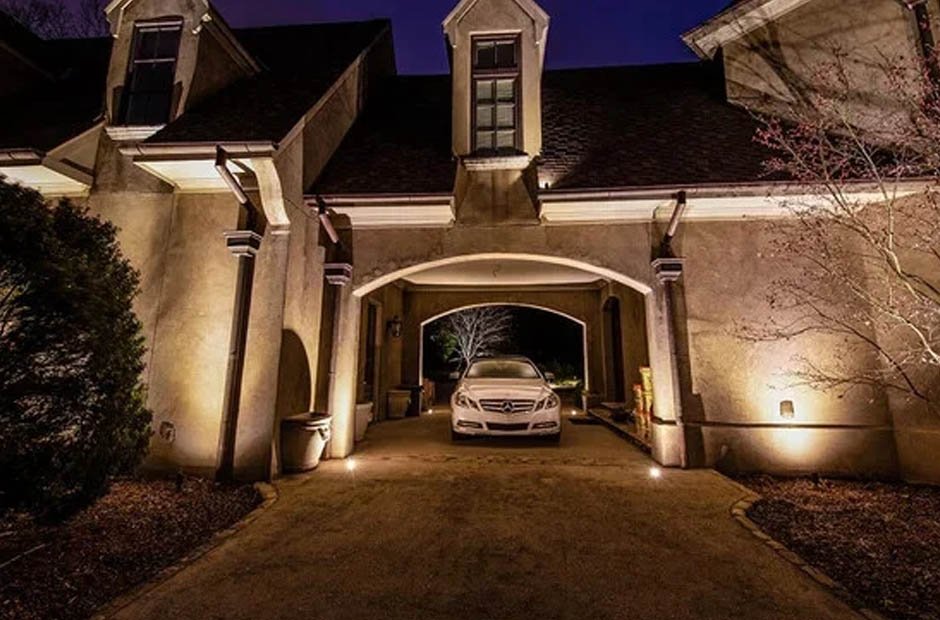
As the sun sets, the architectural beauty of a home often fades into the shadows, and the safety of its surrounding landscape can become a concern. Exterior lighting is more than just a decorative addition; it is a fundamental component of residential design that bridges the gap between aesthetic appeal and functional security. Choosing the right exterior lighting can transform your property into a welcoming beacon while significantly improving nighttime visibility for residents and guests alike.
In this guide, we will explore how strategic lighting choices enhance safety, improve walkability, and elevate your home’s curb appeal after dark.
The Intersection of Safety and Lighting
The primary motivation for many homeowners when installing exterior lights is safety. A well-lit home is a less attractive target for intruders, as light eliminates the dark corners and hiding spots that provide cover. However, safety also refers to the prevention of accidental injuries.
Dark driveways, obscured steps, and unlit entryways are common sites for trips and falls. By choosing high-quality fixtures with the right lumen output, you can ensure that every transition—from the car to the front door—is clearly visible. Motion-sensor lights are particularly effective for security, providing a sudden burst of illumination when movement is detected, which serves both as a deterrent to trespassers and a helpful guide for family members arriving home late.
Enhancing Walkability and Navigation
Walkability refers to how easily and safely a person can navigate your property on foot. If you have a sprawling garden, a winding path to a side entrance, or a deck with multiple levels, visibility is paramount.
Path lighting is the most common solution for improving walkability. Low-profile bollards or tiered lights directed downward help define the edges of walkways without creating blinding glare. For those looking to add a professional touch to their property’s navigation, Outdoor Holiday Light Installation is a popular seasonal approach. While many associate these installations with festive cheer, they serve a practical purpose by providing consistent, high-visibility lighting along rooflines and walkways during the darkest months of the year, ensuring that guests can find their way safely during winter gatherings.
Boosting Curb Appeal Through Architectural Lighting
While safety is the priority, the visual impact of exterior lighting cannot be overlooked. A thoughtful lighting plan highlights the textures, colors, and architectural features of your home that might otherwise be lost at night.
- Uplighting: Placing fixtures at the base of trees or architectural columns creates a dramatic effect, drawing the eye upward and emphasizing height.
- Wall Washing: This technique involves placing lights a few feet away from a flat surface to create a uniform “wash” of light, which minimizes shadows and highlights the texture of stone or brickwork.
- Moonlighting: By placing lights high up in trees and directing them downward, you can mimic the soft, natural glow of a full moon, creating a serene and sophisticated atmosphere in your backyard.
Choosing the Right Bulbs and Color Temperatures
The effectiveness of your exterior lighting depends heavily on your choice of bulbs. LED technology has revolutionized outdoor lighting, offering long-lasting, energy-efficient options that can withstand the elements.
When it comes to nighttime visibility, color temperature (measured in Kelvin) is key. For most residential applications, a “warm white” (2700K to 3000K) is preferred. It provides enough clarity for safety while maintaining a cozy, inviting feel. Avoid “cool white” or “daylight” bulbs (5000K+) for general landscape lighting, as they can appear harsh, clinical, and may actually reduce visibility by creating high-contrast shadows.
Smart Lighting and Automation
Modern exterior lighting choices often include smart technology. Smart transformers and bulbs allow you to control your home’s visibility from a smartphone app. You can set schedules to ensure lights turn on exactly at sunset or dim them late at night to save energy while still maintaining a baseline of security.
Automation ensures that you never have to come home to a dark house. By integrating sensors and timers, your exterior lighting becomes a “set it and forget it” system that consistently protects your property.
Seasonal Adaptability and Temporary Solutions
Visibility needs often change with the seasons. In the summer, you may want soft accent lighting for patio dinners. In the winter, when ice and snow create hazards, you need more robust illumination.
As mentioned earlier, seasonal installations like holiday lights are an excellent way to supplement your permanent lighting. They add a layer of brightness to the perimeter of the home that is often missing during the rest of the year. Many homeowners find that the increased visibility provided by professional holiday setups makes their property feel much safer during the long winter nights.
Conclusion
Improving nighttime visibility is a multi-faceted task that requires a balance of different lighting types. By focusing on the “three layers” of lighting—task (safety/walkability), accent (features), and ambient (overall glow)—you can create an exterior environment that is as functional as it is beautiful.
Whether you are installing permanent LED fixtures to guide your way up the driveway or opting for a professional Outdoor Holiday Light Installation to brighten up the winter months, the goal remains the same: a home that is visible, accessible, and safe for everyone. Investing in high-quality exterior lighting is an investment in your property’s value and your family’s peace of mind.