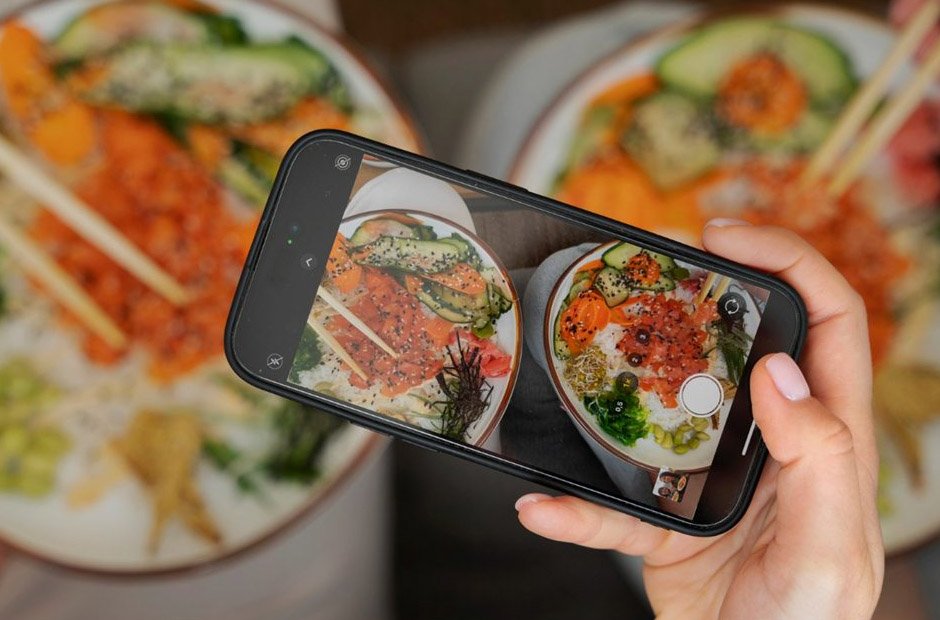
Food embodies all parts of a country and its people including culture, tradition, history, etc. Most travel memories revolve around the time spent at a dining room table or in a kitchen. Tasting food gives us an additional connection to each other, and it allows us to appreciate not only a country and its inhabitants but also its past. Food brings us closer together and gives us an opportunity to learn about the many different cultures across the globe. Sweet gelato on a hot summer day in Rome and spicy street food all over Bangkok are just two culinary examples that will stick with someone for their entire life.
According to Claudette Rickett Schwartz, our memory-making comes from many of our food-related experiences, but also how food helps us to bond with people we share commonalities with. Although we all have very different ways of connecting through food and sharing the same food with others, we all share one bond: our cultures and communication through these foods. Food creates and preserves connections between cultural experiences and gives us a way to remember and describe what we have done in life.
The cooking environment also plays a role in the enjoyment of a meal. For example, eating food cooked in a traditional bazaar in Morocco or eating a meal in a five star restaurant in Paris can be very different. Food and flavor, combined with the environment, build distinct culinary experiences.
Food as a Cultural Bridge
Since ancient times, many cultures have experienced the connection between individuals by sharing food with one another. The act of sharing food also provides insight into the culture of that area and everything that goes into a culture, such as how people lived, their values, their rituals, etc. One example of this is the afternoon tea ceremony in London. It is an experience that allows you to access the rich history of hundreds of years of social customs, etiquette, and storytelling in England. Eating helps connect individuals to what they hold dear about their culture. It helps to create bonds of friendship and eliminates communication barriers. Through sharing food, as illustrated in the New York Times, we can build long-lasting friendships regardless of the barriers that exist from language differences.
The Creation of Bonds Through Communal Dining
There are many ways to be part of the communal dining experience when travelling. Whether you are joining in on the action at a street party, enjoying a family-style feast, or sitting down at a small communal table in a rural village, creating relationships with the local people can happen during these times. Eating together creates a bond between the individuals eating; through the release of oxytocin (the “bonding hormone”), there is an increase in the level of emotional connection between people. The memory of a “special” meal is built upon the experiences shared during these times, so they become stories and memories that are talked about and will continue to be retold long after the experience is over, as documented by BBC Travel. Oftentimes it is what travellers remember most, versus what they saw or the methods of travel that they used.
Impact of Novelty on Memory Formation
Novel experiences affect the construction of long-term memory; trying a new cuisine, a new ingredient or a new cooking method outside of an individual’s comfort zone creates a distinct memory. Trying something new, such as eating sushi at a fish market or drinking tagine in Morocco are two experiences that are clearly defining memories, which are often the highlights of one’s travel journal. When paired together, the combination of new and exotic flavours and experiences creates a rich environment for brain stimulation and encourages adventurousness, both of which increase the potential for retention/recollection of memories; it also gives greater pleasure to others when sharing a travel experience.
Local Ingredients and Sense of Place
By utilizing local ingredients associated with a specific geographical environment, one is presented with a literal representation of that environment through a unique blend of climate, geography, and traditions.
Foods found within an area create a bond or link between place and taste for a traveller eating and drinking them on-site in their natural habitat. The idea of ‘Terroir’ as defined by National Geographic is a result of the combination of many factors that create a sense of place, and thus serves as a marker for the travel experience.
Emotional Resonance of Culinary Experiences
Food can reach deep into the hearts of all people. For some, trying new and interesting food or ingredients can be short-lived; however, for others, eating foods and tasting certain flavors that they are already familiar with can provide a sense of comfort. For example, when someone visits a noodle shop on a cold evening in Kyoto and orders a hot bowl of ramen, they will find contentment and tranquility in addition to being full and satisfied. However, eating spicy street food in Bangkok, on the other hand, will likely provide an immediate thrill or rush of excitement to the person consuming the food.
The more a person’s memory connects to their sense of smell, sight, and taste, the stronger their emotional connection becomes. The combination of these emotions with culinary experiences can also create a desire to return to that area, or to travel and/or visit other places to try the cuisine or food from those areas.
Culinary Tourism and Cultural Identity
As cities and countries have begun to market their own culinary offerings as part of their tourism industry/ecosystems, many chefs and restaurants have started using signature dishes as the cornerstone for many regions’ identities. Dishes such as Paella from Valencia and Gumbo from the City of New Orleans will serve as a representation for both, and create a source of pride for both regions. The emergence of cultural food tourism has changed the marketing experience for global travellers; it combines both creative and traditional culinary art methods to create an experience that engages global tourists.
Practical Tips for Culinary Travelers
As there are so many advantages to experiences related to Culinary Travel, travellers seeking culinary travel should consider the following suggestions:
- Learn about local specialties prior to your visit to better understand what the area has to offer.
- Look for opportunities to engage with locals to gain insight and knowledge into local and regional cuisine through classes and food tours that are led by local residents.
- Be open to trying new ingredients and/or dishes when travelling; doing so will broaden the horizons of your taste buds and create lasting memories.
- Document your experiences; this will help you remember the stories behind what you eat and where you’ve travelled.
- Respect the customs and traditions of the local dining customs and etiquette; this will be well received by the local community and enhance your travel experience.
Conclusion
The taste and smell of foods eaten while in foreign regions become associated with that region and its inhabitants. Culinary experiences link travellers to their destination, giving them a sense of place. Culinary experiences also create indelible memories of the region, nation, or city that are maintained long after returning home. Culinary experiences are among the most memorable ways to experience new locations, and play an important role in creating and maintaining memories of travels and sightseeing.