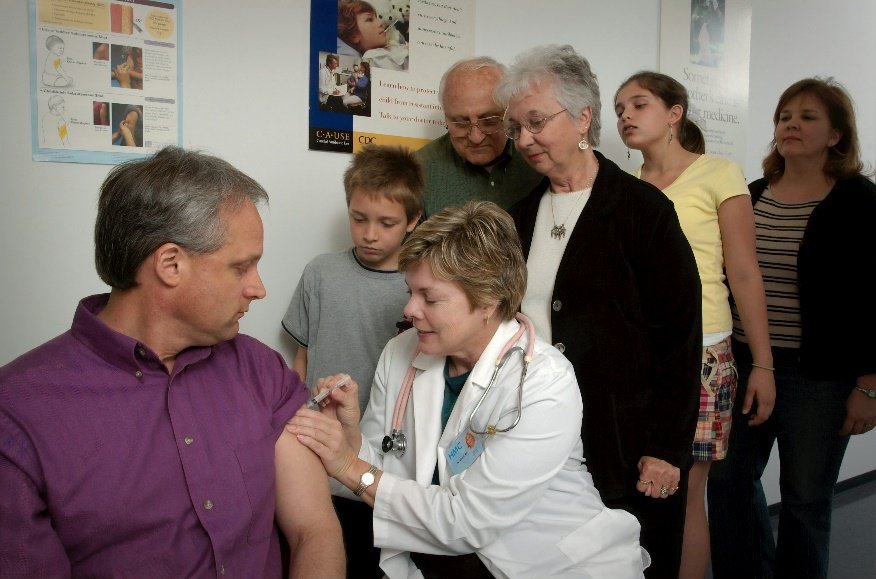
Public health is a field driven by purpose, compassion, and a desire to improve the well-being of communities. It focuses on preventing illness, promoting healthy habits, and creating systems that support long-term health. Building a flourishing career in public health requires thoughtful planning, strong education, practical experience, and a commitment to continuous learning. With the right approach, professionals can find meaningful roles that allow them to make a lasting impact while growing personally and professionally.
A successful journey in public health is not built overnight. It develops through clear goals, skill development, and an understanding of how different roles contribute to healthier populations. Whether someone is entering the field or looking to advance, a strategic mindset helps create a career that is both stable and fulfilling.
The Role of Higher Education
Higher education plays an essential role in building a successful public health career, particularly for professionals seeking leadership and administrative responsibilities within public service settings. Many individuals pursue a Master’s in Public Administration online to gain practical knowledge of health systems, ethical decision making, leadership responsibilities, and policy development that directly supports effective public health management.
Online education strengthens this pathway by offering flexibility that allows professionals to study while continuing their work responsibilities. It supports balance by enabling learners to manage academics alongside personal commitments. Accessibility ensures advanced learning can take place without disrupting daily routines. This approach also helps develop discipline and practical skills relevant to public health leadership.
Northwest Missouri State University provides online programs that help fast-track professional growth through challenging curricula delivered by the same highly qualified faculty who teach on campus. Designed with flexibility in mind, these programs allow learners to build valuable knowledge and leadership capabilities while effectively balancing professional commitments and personal responsibilities.
Choosing the Right Public Health Path
Public health offers diverse career paths, each focused on different aspects of community well-being. Some professionals work in health education, helping people understand healthy behaviors. Others focus on environmental health, policy planning, or program coordination. Choosing the right path begins with identifying personal interests and strengths.
Those who enjoy working directly with people may find fulfillment in community outreach or health promotion roles. Individuals who prefer planning and organization may thrive in program management or policy support positions. Understanding these options early helps guide education and experience choices, ensuring alignment with long-term career goals.
Gaining Practical Experience Early
Practical experience is essential for building confidence and competence in public health. Classroom learning provides theory, but hands-on exposure brings that knowledge to life. Internships, volunteer roles, and entry-level positions offer opportunities to apply skills, observe professionals in action, and understand workplace expectations.
Experience also helps professionals identify areas they enjoy most. Working with diverse groups strengthens communication skills and builds cultural awareness. These experiences are valuable for developing empathy and adaptability, qualities that are highly respected in public health roles.
Developing Strong Communication Skills
Clear communication is at the heart of public health work. Professionals often explain health information, coordinate with teams, and engage with communities. The ability to share ideas simply and respectfully ensures messages are understood and trusted.
Written communication is equally important. Reports, proposals, and educational materials must be accurate and accessible. Developing these skills through practice and feedback supports career advancement and builds credibility in the field.
Building Leadership and Collaboration Abilities
Public health professionals rarely work alone. Collaboration with colleagues, community partners, and decision makers is a daily part of the job. Learning how to work effectively in teams strengthens problem-solving and leads to better outcomes.
Leadership does not always mean managing others. It can involve taking initiative, supporting peers, and guiding projects toward shared goals. Developing leadership skills prepares professionals to take on greater responsibility and influence positive change within organizations.
Networking and Professional Relationships
Strong professional relationships open doors to opportunities and support career development. Networking allows individuals to learn from others, share experiences, and discover new roles. Building connections through academic programs, community involvement, and professional groups creates a supportive network.
Meaningful relationships also provide mentorship. Learning from experienced professionals offers guidance, encouragement, and insight that can shape career decisions and boost confidence.
Finding Purpose and Balance in Public Health Work
A flourishing career in public health is grounded in purpose. Many professionals are drawn to the field because they want to serve others and create healthier communities. Staying connected to this purpose helps maintain motivation and satisfaction.
At the same time, balance is important. Taking care of personal well-being allows professionals to sustain their energy and commitment. Setting boundaries, seeking support, and celebrating achievements contribute to a long and rewarding career.
Building a flourishing career in public health is a thoughtful process that combines education, experience, and personal growth. By choosing the right path, developing essential skills, and remaining committed to learning and service, professionals can create meaningful careers that positively influence lives and communities for years to come.