Most people realize there is a problem with their AC system long before they pick up the phone to call someone about it. There was the noise that started three weeks ago. The fact that one room never seems to cool down quite as much as the others. The electric bill that spikes for some unknown reason. The problem gets filed away in the brain under “to-do” and life goes on.
It seems benign to ignore an air conditioning system’s problems. It keeps running, it still cools the air (for the most part), and paying someone to spend half a day waiting for the air conditioning technician to show up costs money. What seems like a minor problem today might just be an emergency tomorrow, though, when the system completely gives up on you during the worst week of summer.
AC system problems are rarely standalone problems. They compound in ways that are not always obvious when you are sitting inside your house. A refrigerant leak might be so small that the system can work around it by just running a little longer to cool the space that it is supposed to be able to cool. The homeowner notices it taking twenty minutes longer to cool the house, but chalks it up to an especially hot day.
However, that leak starts to grow. The compressor has to work a little harder to pump around the dwindling supply of refrigerant. The extra work causes extra heat, which puts strain on other components. A few months later, what started as a minor problem is stressing the entire system out.
This same pattern can be repeated with most other AC problems, too. A dirty coil reduces the amount of cooling power that the system emits, which makes the blower fan work a little harder. A failing capacitor makes the compressor struggle to start instead of immediately getting to work, which wears down the motor over time instead of just powering it up like it’s supposed to be doing. Each little problem sends out waves of problems to other components of the system.
Here is where the math starts to hurt. Fixing a refrigerant leak in a residential air conditioning system usually costs somewhere between $200-400 to fix, depending on how big the leak is, and where it is located. Waiting until that same leak causes the compressor to burn out under strain? A little more than $1,500-2,500 worth of repairs, sometimes even more. The compressor is basically the engine of the AC system, and its replacement costs are already creeping up to the costs of replacing an entire system.
Electrical problems also follow a similar story of math getting painful. A capacitor that is showing some wear might cost $150-250 to repair if the AC technician replaces it during a regular servicing appointment. Waiting for it to completely burn out and take the compressor or fan motor with it? Well over $1,000 in repair costs.
Utility bills also exhibit a compounding wasted energy trend long before any single component of an air conditioning system gives up the ghost. An air conditioning system that has lost efficiency in its operation will eat through electricity like it’s going out of style to produce the cooling output that it is supposed to produce. A system that is fighting up any battle will eat through an extra 20-40% of electricity to create a cooling output, compared to a system that is functioning well and getting the job done. For an average household that spends around $200 each month on electricity costs just for cooling, that’s an extra $40-80 a month. Multiply that by the average summer season and you can easily pay for several repair bills worth of wasted electricity.
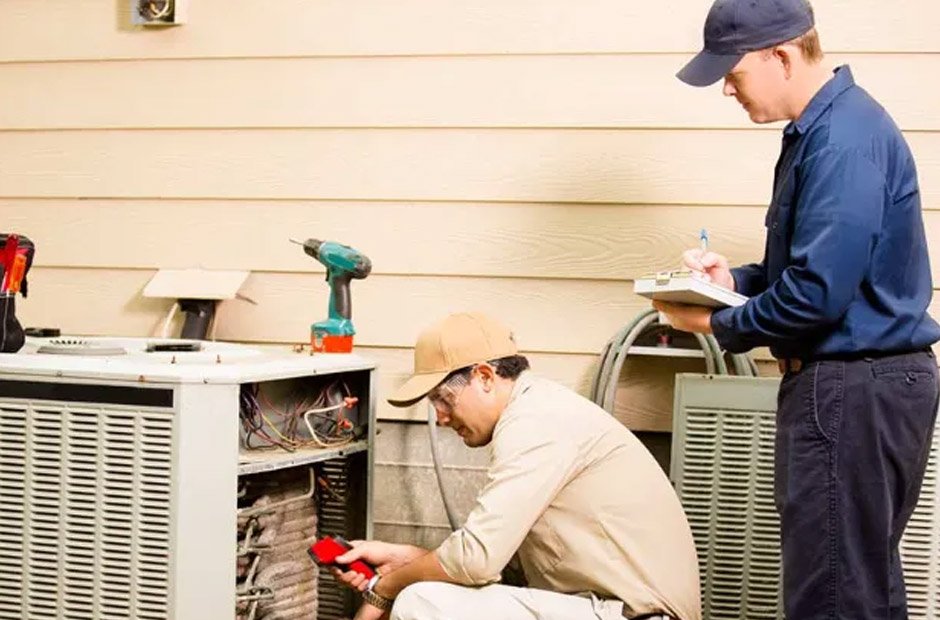
When an air conditioning system finally gives up and homeowners call for emergency help from one of the local HVAC companies, the technicians can usually trace what went wrong back to some warning sign that was ignored for too long. Professionals from businesses like Platinum Air Heating & Cooling have technicians that encounter minor problems gone major every day. Most issues become total catastrophes simply because someone put off making that phone call for help.
What happens when minor problems compound into major emergencies during emergency service calls often tends to be fairly predictable. A refrigerant leak has led to the burnout of the compressor. A clog that nobody noticed has turned the air conditioning unit into a fountain after a steady flow of water damage ruins some of its electronic components. A dirty filter has led to stagnant air that has finally frozen the coils up.
As understandable as the tendency to ignore repair needs until they become emergencies is, it is important not to do this. Most problems exhibit warning signs before they take on the shape of a total failure of a vital piece of equipment.
Odd noises or sounds are an indicator that something inside is starting to wear down. An air conditioning unit that takes longer than normal to cool down means that something is wrong with its efficiency, which will compound on itself eventually (probably resulting in frozen coils). An electric bill that spikes over an expected baseline rate (where that rate is determined based on how hot it is outside) means that something is forcing the unit to work harder than it needs to.
Responding to warning signs when they first appear almost always costs less than fixing total failures down the line. It might not feel like ignoring something until it becomes an emergency saves money on repairs, but you end up paying less in costs of parts, and you can also schedule an appointment rather than being stuck waiting on emergency help while in the middle of a heat wave.
Homeowners who take care of their systems on a regular basis exhibit a considerably different set of repair bills than those who wait years between checks. The warning signs are there for a reason. Seeing these signs separates those who benefit from their air conditioning systems for years at a time from those who don’t.