When an air conditioner starts struggling, it is rarely a coincidence. Constant high humidity, salt in the air, and extended cooling cycles place unique stress on residential HVAC systems in Boca Raton and other humir areas in Florida. Understanding how those failures develop—and how to respond early—can be the difference between a manageable repair and a costly breakdown.
Air conditioners rarely fail without warning—many of the situations that end up requiring AC Repair in Boca Raton start as small performance changes homeowners dismiss for weeks.
The 10-Minute Diagnostic That Prevents Major System Damage
Before resetting breakers or adjusting settings at random, there is a short sequence of checks that can help protect the most expensive components in your system.
Start with the thermostat, not the unit
Thermostats often mislead rather than malfunction outright. A system can appear to be running normally while gradually losing ground against heat and humidity. Confirm that:
- Cooling mode is active and not switching between modes
- The fan is set to Auto rather than On
- The indoor temperature is not rising despite continuous operation
Even minor schedule or sensor inconsistencies can force unnecessary runtime and strain the system.
Airflow restrictions are the most common hidden problem
Because AC systems operate for long hours in hot, humid climates, airflow issues escalate quickly. A partially blocked system may still cool intermittently but will degrade faster over time.
Check for:
- Filters that are even slightly clogged
- Return vents blocked by furniture or rugs
- Supply vents closed in unused rooms
Restricted airflow often leads to evaporator coil icing, which presents as warm air even though the system appears to be running.
Ice and water are warning signs, not minor issues
Ice forming on refrigerant lines or water pooling near the air handler indicates imbalance. Turning the system off briefly to allow thawing can prevent immediate damage, but repeated icing usually points to deeper issues such as dirty coils, refrigerant irregularities, or blower inefficiencies.
Left unaddressed, these conditions tend to escalate from performance loss into mechanical failure.
Why Preventive Care Changes the Outcome
Many homeowners only act once cooling stops completely, but the most reliable way to avoid emergency breakdowns is consistent system upkeep. Homes that follow a structured AC maintenance approach tend to experience fewer mid-summer failures, lower energy consumption, and longer equipment lifespan.
Maintenance addresses the exact problems that cause most heat-related breakdowns: restricted airflow, drainage issues, dirty coils, and electrical wear that goes unnoticed until peak demand exposes it.
When Running the AC Can Make the Problem Worse
Certain symptoms indicate that continued operation may accelerate damage:
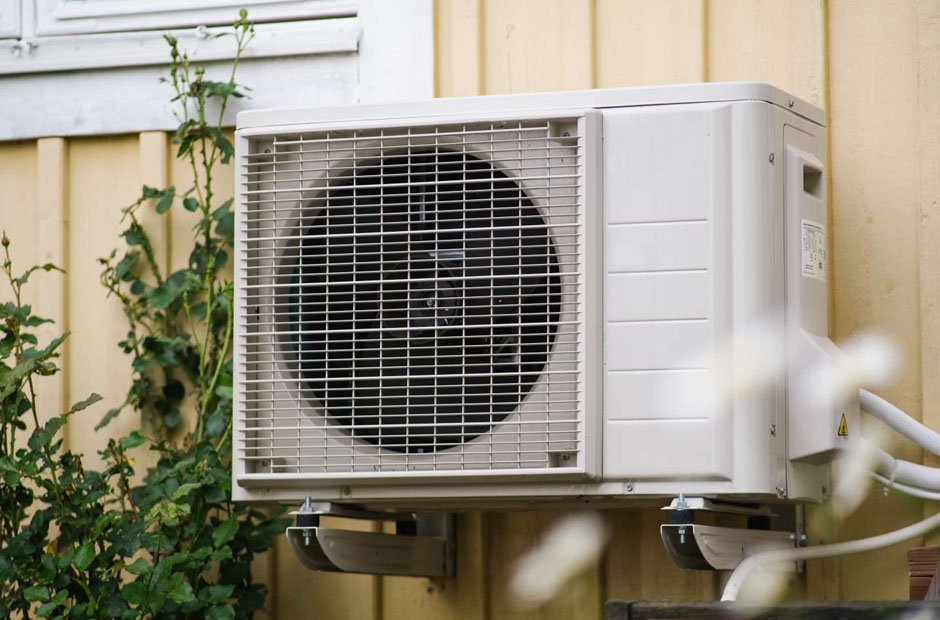
- Indoor fan running while the outdoor unit remains silent
- Repeated circuit breaker trips
- Burning or electrical odors
- Hissing or bubbling sounds near refrigerant lines
These signs typically require professional intervention and should not be ignored.
Clear Symptom Descriptions Lead to Faster Repairs
One of the most overlooked factors in HVAC outcomes is how clearly the problem is described. Knowing how long the issue has been present, whether cooling loss was gradual or sudden, and whether the outdoor unit is running allows technicians to diagnose problems faster and more accurately.
In demanding climates, air conditioning systems almost always provide early signals before failure. Recognizing those signals—and responding methodically—helps homeowners protect comfort, control costs, and extend the lifespan of their equipment well beyond a single summer.