Personal injury cases depend on the evidence. While a victim may know what happened in an accident, the court needs substantial evidence to prove what happened, and that the responsible party is to blame for the damages caused. When pursuing personal injury cases, all potential evidence needs to be collected and documented correctly. Whether a case or settlement succeeds often depends on the evidence presented.
It may be difficult to determine what type of evidence is necessary, and how to make sure it is preserved for court. Most people are not aware of the speed in which evidence goes missing, or how it can be compromised. Knowing what evidence is relevant, and how it can be used to show that a personal injury victim is owed damages or compensation by the responsible party, can help when building a strong personal injury case.
Medical Evidence is Always Critical
Medical records are some of the most critical evidence in personal injury cases, and are perhaps one of the most valuable types of documentation to the injury victim’s cases. Medical records show the extent of the injuries suffered by the victim, and tie those injuries back to the accident in question. There are various types of medical documentation that can be used as evidence.
Documents received from hospitals or other treatment facilities, like emergency room records, are among the most compelling pieces of medical evidence. These documents show the medical care received by the victim immediately following an accident. Emergency room visit records outline the treatment the victim first received after being admitted for care. The hospital visits will contain detailed accounts of injuries suffered by the victim and documented by the medical professionals at the time. Statements recorded by medical professionals at the time of treatment are used as some of the most irrefutable and uncontested types of evidence.
Medical care that continues after an accident can be used to document the injuries suffered by victims over time, and can show how each injury impacts their lives. Therefore, all forms of medical records, including continued treatment records, can be used as evidence in court. Treatment documents from physical therapists or other doctors are not essential, but still helpful in proving to the court how the victim’s injuries impact their daily life and ability to function outside of medical facilities. A lack of these types of treatments may weaken a case, so treatment after an accident is important for potential injury victims seeking damages in court.
Diagnostics and imaging tests are often also helpful in proving what injuries were suffered by personal injury victims in accidents. Diagnostic test documents are not always required, but can be used to prove what serious injuries were suffered by victims after accidents. X-rays, MRIs, CT scans, and other image-based tests document visible physical injuries in victims.
Professional Investigation and Expert Analysis
In general, personal injury or accident cases are won in court due to professional case handling. Professional case managers, paralegals, and other experienced employees working in legal offices know how to collect information that can bolster victims’ cases. When dealing with serious injuries, it is important to seek out established firms like the TSA Law Office, or other companies with similar experience in this line of work.
Accident reconstruction experts can help provide evidence regarding how accidents happened, based on written reports collected from accident scenes. Reports in these documents often outline surveys from accident scene locations and measurements taken by the experts. They investigate damage sustained by vehicles involved in accidents. Accident reconstruction experts also use baselines collected from accident scene and vehicle damage reports to recreate accidents that have happened in those locations using physics calculations.
Witness Testimony and Statements
Witnesses will document their experience witnessing an accident, events leading up to it, or other important statements that will help shape the personal injury victim’s case or support their claims for damages in court.
Gathering statements from witnesses is important for cases within personal injury court systems. Expert case managers will seek out individuals who were nearby at the time of an accident, individuals who saw the events as they occurred, or even those who simply overheard them while waiting in line or sitting within a few feet of where an accident occurred. Witnesses may include by-standers, other accident victims, other attorneys, vendors, and family members.
Expert witnesses are invited to testify about information they personally know about cases or personal injury accident victims involved within those cases. Expert witnesses do not speak about what they saw happen during personal injury incidents; rather they speak about scientific reactions that helped to create factual theories regarding medical processes and examine documentation gathered from accident scenes. However, eyewitnesses are not always reliable witnesses. They cannot always testify in court regarding what they remember happening during personal injury accidents.
Physical Evidence and Documentation
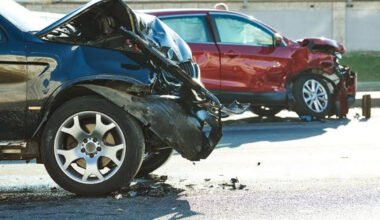
Finally, physical evidence collected from the scene of personal injury accidents will also shape personal injury victims’ cases. Photographs taken at accident scenes can provide visual evidence supporting what was written in reports and statements gathered by case managers or attorneys working on behalf of injured persons.
Through photographs taken at accident scenes, attorneys can present visual documentation and support providing implications regarding how accidents occurred as a result of certain actions taken (or actions not taken) by a specific party involved within an accidental incident.
Visual evidence includes photographs documenting physical features and layouts of accident scenes, as well as the positioning of vehicles after an accident. Photographing property damage sustained during personal injury accidents can help determine patterns regarding the damage caused during accidents and help attorneys draw potential conclusions regarding how those accidents happened.
Attorneys often take video footage from security cameras located around buildings where or near where accidents occurred, as well as obtain video recordings that capture accidents as they happen through personal camera equipment.
Economic Damages and Financial Documentation
Sources of economic support are vital when requesting settlements for cases within personal injury civil courts. All financial-related damages caused by personal injury cases should be documented.
Economic damages include but are not limited to actual out-of-pocket costs incurred by injury victims following incidents and lost income. Economic expert witnesses calculate lost economic opportunities. Calculations regarding future medical expenses is usually one of the major bases behind settlements requested within personal injury civil courts. Lost earnings calculations estimate how much average time loss an individual suffered throughout their life as a result of their injuries.
Building a strong personal injury case involves knowing which documents can prove the validity of a claimant’s demands for requested damages or settlements within civil courts. Ensuring all of these documents are collected and analyzed carefully also ensures that damages requested alongside such documents will be granted.
The Evidence That Wins Is The Evidence That Is Collected In Time!
The majority of evidence gathered is obtained due to expert professional help. Expert analysis improves outcomes and examining case details before concluding with settlements presented leads to better results for personal injury victims.