Owning a private water well is a valuable asset, providing autonomy over your home’s water source. However, like all home systems, wells require routine maintenance and eventual upgrades to ensure they continue to function efficiently. This article explores vital steps homeowners should take to prepare for well upgrades, ensuring a seamless and cost-effective process.
Understanding the Signs of an Aging Well
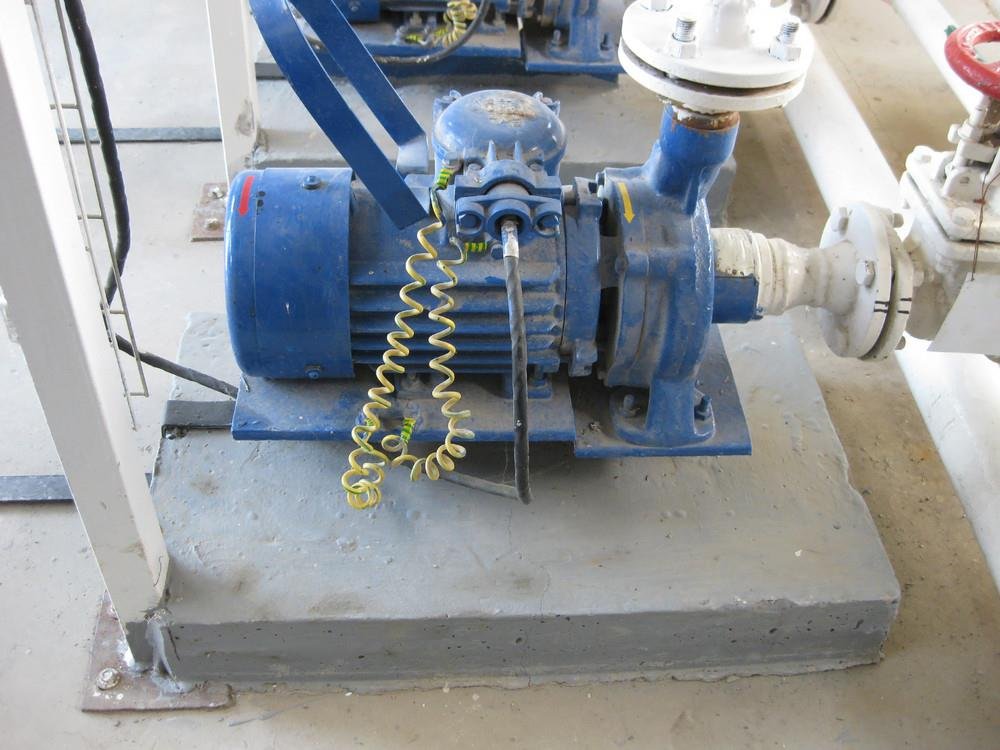
Aging wells often exhibit signs like reduced water pressure, sediment in the water, and strange noises from the pump. These signs can be indicators of wear and tear that occur over the years. Recognizing these symptoms early can help homeowners plan timely upgrades and avoid more costly repairs.
Routine servicing is essential to keep your well in good condition. Professionals recommend an annual check-up for your well pump to prevent potential issues. According to expert advice, a yearly professional service can significantly extend the life of your well pump, saving you from more significant expenses.
Another crucial aspect of well maintenance is understanding the typical lifespan of its components. Well pumps, for example, generally need replacement every decade. Replacing the pump as recommended can ensure your water system remains reliable and functions properly.
Planning for a Well Upgrade
Planning is critical when upgrading your well. Homeowners should conduct thorough research to understand the latest technologies and best practices in the industry. Clear planning helps ensure the upgrade enhances both functionality and cost-efficiency.
One important consideration when planning an upgrade is the location and depth of your well. To minimize drilling expenses, experts suggest keeping the new well shallow and locating it close to your home. This approach not only cuts costs but can also make maintenance more manageable in the long run.
Consulting with a well professional can provide insights into the upgrades best suited for your specific environment. Professionals can assess the current state of your well and recommend modifications that can improve water quality and supply. A well-planned upgrade can add significant value to your home improvement efforts.
Conducting the Upgrade
Carrying out a well upgrade involves multiple steps, each requiring attention to detail to ensure success. Hiring experienced contractors is paramount to achieving a safe and efficient upgrade. These professionals can handle technical tasks, ensuring compliance with local regulations and industry standards.
Before upgrading, evaluate your budget to accommodate necessary improvements. While it might be tempting to cut corners, investing in quality materials and skilled labor can prevent future issues. Proper budgeting can also account for unforeseen complications, providing peace of mind throughout the process.
Post-upgrade, it’s essential to familiarize yourself with the new system’s operation and maintenance requirements. Learning proper care techniques can prolong the lifespan of your updated well, reducing overall maintenance costs. Armed with the right knowledge, you can enjoy a sustainable water source and enhance your home’s value.
Regular maintenance and timely upgrades to your well are vital for ensuring clean and reliable water access. By understanding the signs of an aging well and planning an effective upgrade strategy, you can maintain the integrity of your home’s water system. A well-planned upgrade not only improves water quality but is also a valuable home improvement that enhances property value, providing long-term benefits and efficiency.