Maintaining your roof’s health is one of the most essential parts of homeownership. Your roof serves as the first line of defense against harsh weather, costly leaks, and structural deterioration. By staying proactive, you can significantly extend your roof’s lifespan and eliminate many common issues before they become expensive emergencies. If you’re unsure where to begin, learn more about roofing repair and ongoing maintenance techniques designed to safeguard your investment.
Understanding frequent roofing challenges and adopting practical preventive measures keeps your home both secure and dry. From cracking shingles to overgrown moss, most roofing problems can be stopped in their tracks with a careful, preventative approach. In this guide, you’ll find essential strategies every homeowner should follow, as well as resourceful links and expert insights to help you avoid headaches down the road.
Regular Inspections
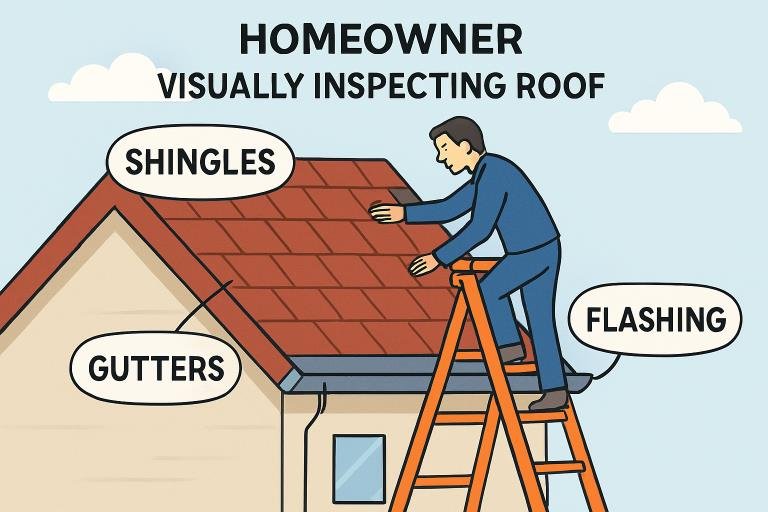
Regular roof inspections are among the simplest yet most effective ways to prevent common roofing problems from escalating. Experts recommend conducting inspections at least twice a year—ideally in the spring and fall—and after significant storms. Look for visual signs of trouble such as missing or cracked shingles, loose flashing, and debris buildup. Catching issues early can spare you from more intensive, costly repairs down the line.
What To Watch For
- Loose, curling, or missing shingles
- Granule loss is visible in gutters
- Signs of rust or deterioration on flashing
- Sagging or uneven sections of the roof deck
Addressing Leaks Promptly
Even a minor leak can cause serious long-term problems, including mold growth, wood rot, and compromised insulation. Don’t wait to address water stains, musty smells, or visible drips inside your attic or ceiling. Quick responses to even the most minor leaks can prevent widespread damage.
Ensuring Proper Ventilation
Adequate attic ventilation is vital for maintaining your roof’s health. Inadequate ventilation leads to heat and moisture buildup, which can warp roofing materials, promote ice dams during the winter, and accelerate wear and tear. Make sure soffit and ridge vents are unobstructed and functioning correctly. Consider consulting a ventilation specialist if you suspect your attic ventilation is suboptimal, as proper ventilation can reduce cooling costs and prolong your roof’s lifespan.
Maintaining Gutters
Gutters are key to channeling water away from your roof and foundation. When gutters clog with leaves and debris, water can overflow and seep under your roofing materials, causing rot, leaks, and even foundation problems. Be diligent about cleaning your gutters at least twice a year, and install gutter guards for extra protection.
Preventing Moss and Algae Growth
Moss and algae thrive in shaded, damp areas of roofs and can accelerate the deterioration of shingles and other roofing components. Prevent growth by keeping branches trimmed back from the roof, allowing sunlight to dry out damp patches, and using zinc or copper strips to inhibit the growth of new spores. These strips can be installed near the ridge line and will slowly release small amounts of metal, discouraging biological growth over time.
Choosing Quality Materials
Opting for high-quality, weather-resistant roofing materials may increase your upfront costs, but it will pay dividends over the life of your home. Durable asphalt, metal, or composite shingles are better equipped to withstand wind, moisture, and temperature extremes. According to Consumer Reports’ roofing guide, read manufacturer warranties and consider products rated for your region’s climate, especially if you experience heavy snow, hail, or sun exposure. Investing in a durable roof can also improve your home’s energy efficiency and overall value. Regular inspections and maintenance will help ensure your roofing lasts as long as possible, protecting your home and your investment.
Hiring Professional Contractors
Quality installation is just as vital as quality materials. When choosing a contractor, always select a licensed, insured, and well-reviewed professional. A good roofer will follow manufacturer installation instructions, use proper flashing techniques, and provide a transparent, detailed estimate. Beyond repairs, a reputable contractor can offer maintenance advice and help spot potential risks before they become critical issues.
Preparing for Extreme Weather
Severe weather events like hurricanes, hailstorms, and snow can wreak havoc on even the toughest roofs. Reinforce key stress points, replace damaged or weak areas, and consider installing ice-and-water barriers in vulnerable areas. In snowy climates, heated cables along the eaves can help prevent dangerous ice dam formation. By applying these preventive measures and staying vigilant year-round, you’ll protect your roof from avoidable problems and secure your home for the long term. Proactive maintenance is a small investment that pays off in peace of mind and future savings.