Key Takeaways
- Heat pumps are increasingly replacing traditional heating systems due to their efficiency and environmental benefits.
- Government incentives and technological advancements are driving the adoption of heat pumps.
- Homeowners experience cost savings and enhanced comfort with the installation of heat pumps.
The Rise of Heat Pumps in Home Heating
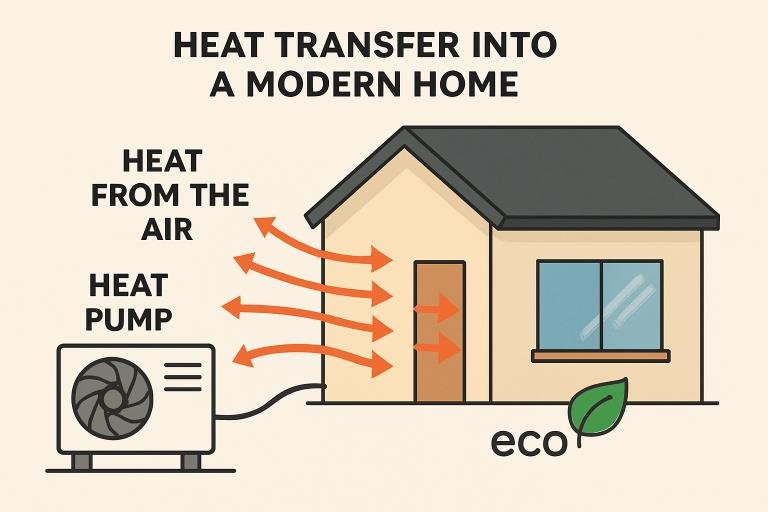
Across North America and Europe, heat pumps are rapidly emerging as the premier solution for modern residential heating. Unlike traditional gas or oil furnaces that depend on combustion, heat pumps utilize advanced heat exchange technology to transfer warmth from outside air or the ground into homes, providing energy-efficient comfort throughout the year. Their ability to operate effectively even in colder climates, while consuming significantly less energy than conventional systems, makes heat pumps a compelling option for many homeowners. Suppose you’re interested in everything you need to know about heat pump installation in Toronto. In that case, it’s essential to understand both the benefits and the technological innovations that make these systems so advanced.
This method of heating not only conserves valuable energy but also dramatically reduces greenhouse gas emissions, helping households lower their carbon footprints. As countries and cities set ambitious net-zero targets, the adoption of heat pumps is seen as a vital step towards decarbonizing residential spaces and creating more sustainable communities.
Several governments have recognized the need to accelerate the adoption of heat pumps. In the UK, for example, substantial public funding has been earmarked to encourage heat pump upgrades by doubling the incentives available to homeowners, a move expected to catalyze widespread change and support national climate objectives. As more regions roll out supportive policies, the pathway toward sustainable heating becomes clearer for millions of households.
Beyond environmental concerns, the transition also addresses the economic side: heat pumps present a significant opportunity for homeowners to cut ongoing utility costs. Their energy efficiency translates to real dollar savings, with many modern homes reporting substantial reductions in monthly heating expenditures following an installation. According to the U.S. Department of Energy, upgrading to an energy-efficient heat pump can save families hundreds each year, especially in climates with moderate heating and cooling needs.
Government Initiatives Fueling Adoption
Bolstered by science-backed climate strategies, various government policies now specifically promote the installation of heat pumps. In the UK, the Boiler Upgrade Scheme offers homeowners up to £7,500 towards the purchase of a heat pump, as part of the broader effort to replace millions of gas boilers with eco-friendly alternatives. These initiatives not only provide upfront financial support but also increase market demand, driving competition and innovation among manufacturers and installers.
Similarly, the Inflation Reduction Act in the United States has delivered significant tax credits and rebates aimed at increasing the accessibility of high-efficiency electrified heating systems, further accelerating industry growth and adoption rates nationwide.
Technological Advancements Enhancing Efficiency
Modern heat pumps are increasingly defined by their advanced features and seamless integration with smart homes. Intelligent model predictive control systems allow these systems to anticipate homeowners’ heating preferences based on patterns and external weather data. This optimization capacity means homes stay comfortable without wasting energy, allowing the unit to run only when essential and maintaining optimal performance even during extreme cold snaps.
Thanks to cutting-edge refrigerant cycles, variable speed compressors, and enhanced system monitoring, today’s heat pumps can achieve efficiency ratings far beyond what was possible just a decade ago. These refinements position heat pumps as an attractive option, not only for new builds but also as a retrofit for older homes seeking modernized heating without significant infrastructure changes.
Financial Incentives and Cost Savings
Financial support programs have dramatically reshaped the economics of heat pump adoption. In many regions, generous tax credits, low-interest financing, and direct rebates have drastically reduced the upfront costs. The Inflation Reduction Act in the U.S. is a prime example: it provides up to $2,000 in federal tax credits for qualifying heat pump installations, effectively bridging the gap for families considering a switch to this energy-efficient technology.
As a result, the total cost of ownership for heat pumps has dropped, especially when factoring in monthly energy savings. Homeowners consistently report that after the initial payback period, heat pumps generate meaningful ongoing savings, making them one of the most cost-effective options for home heating in the long term.
Environmental Impact and Sustainability
One of the most significant motivations for switching to a heat pump is the profound reduction in household carbon emissions. By relying on electricity—particularly as more grids transition to renewable sources—heat pumps eliminate the need for natural gas or oil, directly contributing to climate goals set at both local and international levels. For example, the International Energy Agency highlights heat pumps as a crucial technology for reducing emissions in buildings, particularly when integrated into comprehensive climate action strategies.
This shift not only benefits the environment but also future-proofs homes against anticipated increases in carbon pricing and tighter regulations on fossil-fuel-based heating systems.
Overcoming Installation Challenges
While homeowners stand to benefit from these advancements, transitioning to heat pumps is not always without hurdles. For some, installation expenses and adapting existing ductwork or radiators present initial obstacles. Nevertheless, as costs decrease and technical guidance improves, these barriers are being overcome more easily. Government grants and consistently strong customer satisfaction rates—where users highlight improved comfort and reliability—indicate the sector’s growing maturity.
The Future of Home Heating
Looking ahead, the widespread adoption of heat pumps is poised to redefine what it means to have a modern, energy-efficient home. As technology becomes more affordable and performance continues to improve, heat pumps are set to become mainstream. Their capacity to deliver clean, comfortable, and cost-effective heating solutions will make them an essential element in sustainable homes of the future.
Embracing a heat pump is more than just a wise economic decision—it’s a forward-looking move toward a lower-carbon lifestyle, enhanced indoor comfort, and lasting value for homeowners everywhere.