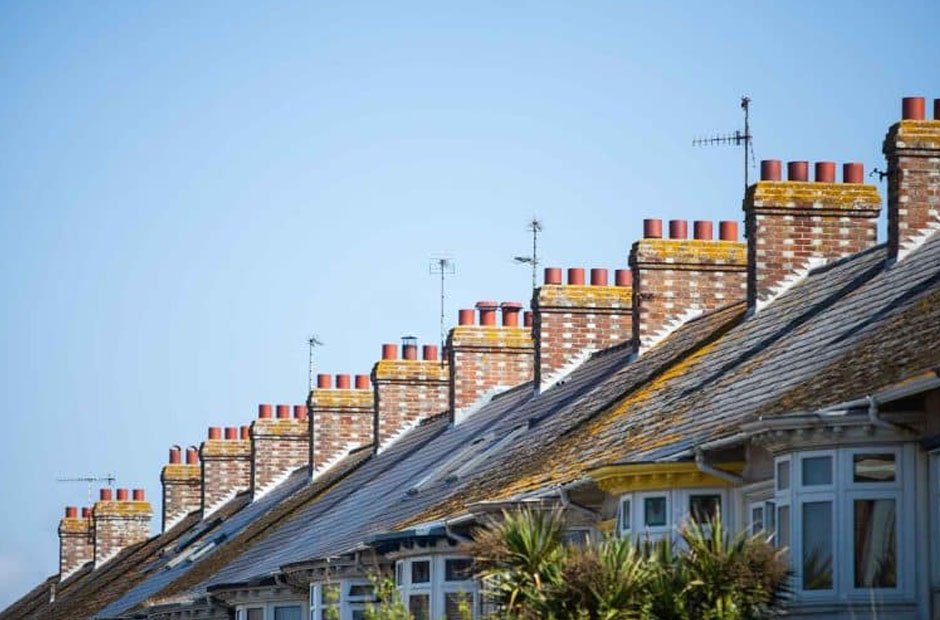
Chimneys are often overlooked components of a home, quietly standing as conduits for warmth and comfort during colder months. While they perform a vital function, neglecting their upkeep can lead to serious, sometimes unseen hazards. Soot buildup, creosote deposits, and structural damage can accumulate over time, creating conditions ripe for fire hazards, smoke damage, and even carbon monoxide leaks. Many homeowners underestimate how quickly minor issues can escalate into costly or dangerous situations, making routine attention essential for household safety.
Regular inspections and maintenance play a critical role in preventing these risks. Homeowners in urban and suburban areas often seek services like chimney inspection Atlanta GA, to ensure their flues and chimneys are clear of blockages and structurally sound. Even minor cracks or obstructions can compromise efficiency and safety, highlighting the importance of proactive care rather than waiting for visible problems to arise.
Creosote Buildup: A Silent Fire Hazard
One of the most underestimated dangers lurking inside an unmaintained chimney is creosote buildup. Creosote is a byproduct that forms when wood is burned, coating the inner walls of the chimney with a sticky, highly flammable residue. Over successive burns, layers of creosote grow thicker and, when ignited, can cause devastating chimney fires. Chimney fires caused by creosote accumulation result in thousands of incidents annually. Keeping your chimney clean significantly lowers this risk.
Carbon Monoxide Poisoning: The Invisible Threat
Blocked or cracked chimneys can disrupt airflow and ventilation, causing dangerous gases like carbon monoxide (CO) to seep back into your home. CO is odorless, colorless, and can be fatal without warning. Symptoms of carbon monoxide poisoning include headaches, dizziness, nausea, and confusion, which can escalate rapidly. The Centers for Disease Control and Prevention warns that malfunctioning chimneys are a leading source of accidental CO poisoning in homes. Proper maintenance and routine inspections are your first line of defense against this deadly hazard.
Structural Damage: Compromising Home Integrity
Chimneys are vulnerable to water damage, especially when cracks develop or the chimney cap is missing. Moisture seeps in, eroding the brick and mortar over time, and can ultimately threaten the stability of the entire chimney structure. Beyond compromising the chimney itself, water intrusion might affect adjacent roofing, walls, and ceilings, resulting in extensive and expensive structural repairs. Addressing these issues early through inspections can prevent them from becoming major financial burdens.
Animal Infestations: Unwanted Guests
Without routine maintenance, chimneys quickly become attractive nesting spots for wildlife—birds, squirrels, raccoons, and other critters. Animal nests not only block proper airflow, increasing the risks of smoke backdrafts and CO accumulation, but also pose fire hazards and may bring unwanted parasites and diseases into your home. Installing a proper chimney cap and scheduling routine professional checks are simple yet effective ways to prevent these unwelcome invasions.
Decreased Heating Efficiency: Wasting Energy
Blocked or dirty chimneys do more than damage your home—they reduce the efficiency of your entire heating system. Unchecked buildup restricts airflow, preventing fires from burning cleanly and efficiently. This increases fuel consumption and may result in higher utility bills. Keeping your chimney in optimal condition allows for better airflow, maximizes heat output, and lets you enjoy the full cost savings of a well-functioning fireplace.
Smoke Damage and Poor Indoor Air Quality
When smoke is unable to escape freely through a clogged or malfunctioning chimney, it can backdraft into living spaces, leaving behind soot stains on walls, ceilings, and furniture. Such smoke damage can be difficult and costly to clean. Moreover, poor indoor air quality poses a significant risk to household members, particularly the young, elderly, or those with respiratory conditions such as asthma. Routine chimney care is essential for maintaining a healthy and comfortable indoor atmosphere.
Legal and Insurance Implications
Many homeowners may not realize that annual chimney inspections are often required by both local fire codes and home insurance providers. Failing to meet these requirements could lead to denied insurance claims in the event of a fire or CO incident, and may expose you to legal liabilities. Maintaining your chimney’s compliance is both a legal safeguard and a crucial financial step for responsible homeowners.
Preventive Measures: Safeguarding Your Home
Practical Steps for Homeowners
- Arrange for annual chimney inspections and cleanings to be performed by certified professionals.
- Burn only well-seasoned hardwoods to minimize creosote residue.
- Install a quality chimney cap to keep out rainwater, debris, and animals.
- Verify proper ventilation to ensure safe exhaust of smoke and gases.
- Look for warning signs such as strange odors, smoke inside the room, or visible exterior damage.
Final Thoughts
Protecting your home begins with awareness and proactive maintenance. By focusing on chimney upkeep, you can prevent hidden hazards and ensure a safer, more efficient, and more comfortable home for your family. It’s an ideal moment to book an inspection before lighting the season’s first fire—don’t wait for issues to arise when prevention is easily achievable.