Heating, Ventilation, and Air Conditioning (HVAC) systems play a crucial role in maintaining indoor comfort levels regardless of external weather conditions. However, like any complex system, they are susceptible to various issues over time. Understanding common HVAC problems and how they can be fixed not only helps in maintaining comfort but also aids in efficient home improvement strategies.
1. Refrigerant Leaks
Refrigerant leaks are a prevalent issue in HVAC systems that can significantly impair cooling efficiency. These leaks usually occur due to wear and tear or improper installation, leading to insufficient cooling and increased energy bills. Detecting such leaks often requires professional assistance, but once identified, technicians can seal the leaks and recharge the system with the correct amount of refrigerant to restore optimal performance.
Addressing refrigerant leaks promptly is crucial for preventing further strain on the system and improving overall energy efficiency. Routine maintenance checks help catch early warning signs, giving homeowners a chance to resolve small issues before they escalate into larger, more expensive repairs. According to HomeGuide, AC repairs typically take between 1 and 8 hours, depending on which components require attention. This highlights how quickly a trained technician can restore functionality once a problem is identified.
Refrigerant handling requires expertise due to environmental and regulatory considerations. Professional HVAC technicians are equipped with specialized tools to safely manage and rectify leaks. Ensuring that the refrigerant levels are adequate is not just a home improvement necessity but also an eco-friendly practice.
2. Faulty Thermostats
A malfunctioning thermostat can disrupt the entire HVAC system, leading to inconsistent temperatures and discomfort. Common issues with thermostats include outdated technology, incorrect calibration, or hardware faults. Replacing or recalibrating the thermostat is a common solution that often requires minimal time and restores system synchronization.
Modern programmable thermostats offer enhanced precision in temperature control and can be a worthwhile home improvement investment. These devices automate heating and cooling cycles, improving energy efficiency and reducing utility costs. Thermostat upgrades reflect a commitment to not only comfort but also smart and sustainable living practices.
Installation and setup of new thermostats should be performed by professionals to ensure compatibility with existing HVAC systems. This minimizes the risk of errors that could lead to further system complications. Technological advancements in thermostats continue to push the HVAC systems market forward, which Future Market Insights projects to reach $370 billion by the end of this decade.
3. Clogged Filters
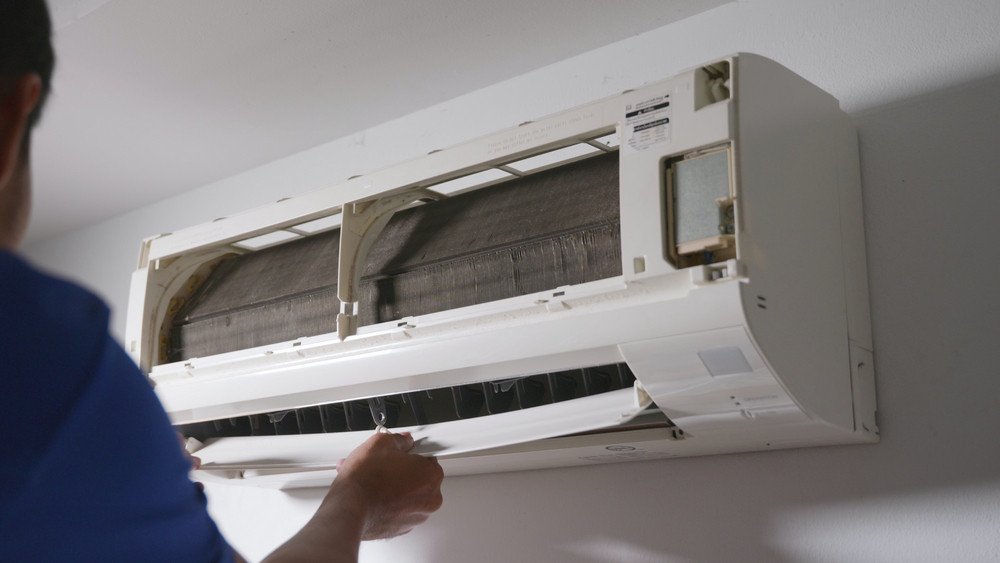
Filters play a crucial role in maintaining air quality within homes by trapping dust, allergens, and pollutants. A common problem occurs when these filters become clogged over time, impeding airflow and forcing the HVAC system to work harder than necessary. Regularly replacing or cleaning filters helps maintain system efficiency and extends the lifespan of the equipment.
Neglecting filter maintenance not only affects system performance but can also lead to increased energy consumption and higher bills. Simple, routine checks and replacements can significantly enhance HVAC efficiency. As part of responsible home improvement practices, households should adhere to recommended schedules for filter maintenance.
The cost and complexity of replacing filters are relatively low compared to other HVAC concerns, making it an accessible maintenance task for most homeowners. Filter changes also contribute to better indoor air quality, crucial for health and well-being. It’s estimated that Americans spend a combined total exceeding $10 billion annually on HVAC maintenance and repair, highlighting the importance of addressing issues like clogged filters.
Proactively addressing common HVAC problems can prevent extensive repairs and contribute to effective home improvement initiatives. Regular maintenance and timely fixes reduce unnecessary expenses and extend the longevity of HVAC systems. By integrating scheduled check-ups and updates, homeowners can enjoy continuous comfort and energy efficiency in their living spaces.
Whether it’s tackling refrigerant leaks, upgrading faulty thermostats, or maintaining clean filters, understanding and acting upon common HVAC issues ensures a comfortable and healthy indoor environment. As consumer reliance on these systems grows, so does the market, promising advancements that can further enhance energy sustainability and system reliability. In essence, routine care and upgrades are key to maximizing the efficacy of HVAC systems while supporting environmental stewardship.