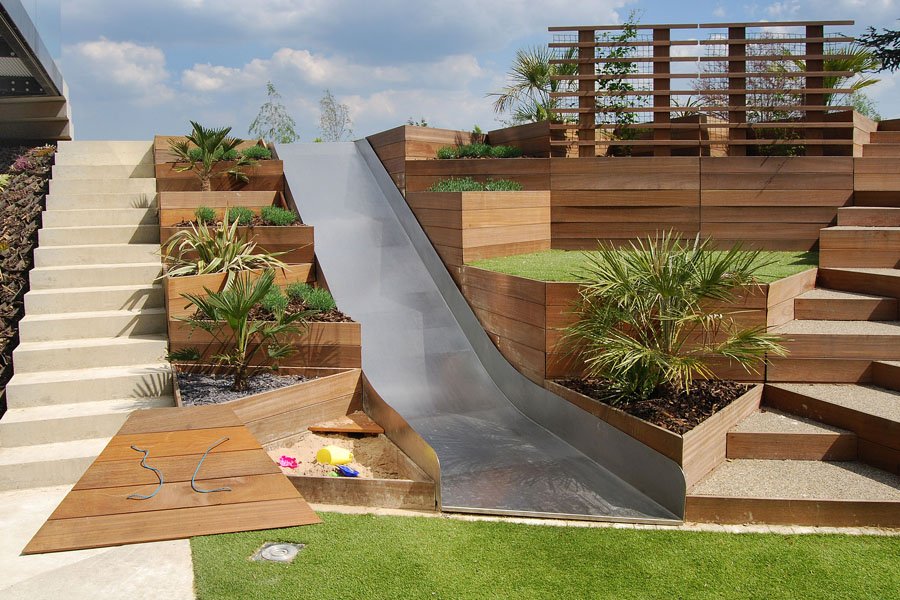
A sloped backyard might initially appear to be a formidable landscape design challenge, but uneven terrain is actually a golden opportunity to create dynamic, multi-level outdoor living areas that static, flat yards simply cannot offer. Instead of viewing a hillside as an obstacle, savvy homeowners recognize it as a canvas for creative, functional solutions. These solutions not only manage critical issues like water runoff and erosion but also dramatically increase the usable square footage of the property. The strategic key to this transformation is the adoption of specific structural and landscaping techniques that carve stable, flat planes out of the natural grade, effectively turning unusable hills into tiered havens for entertaining, gardening, and relaxation.
One of the most effective and time-tested methods for dealing with steep terrain is the installation of terraces and robust retaining walls. Retaining walls, constructed from durable materials like natural stone, modular concrete blocks, gabion baskets, or pressure-treated lumber, are engineered structures designed to hold back substantial quantities of soil. Their purpose is to create flat, stable levels, often referred to as “risers,” which transform a single slope into a series of manageable steps. By building several of these walls in succession up a steep grade, you can create broad, level terraces deep enough to accommodate anything from a small, intimate patio to a functional lawn area or even a complete outdoor kitchen setup.
Beyond their practical use in mitigating soil runoff and controlling erosion, well-designed retaining walls add significant architectural interest and definition to the yard. They frame specific areas, provide seating ledges, and define the flow of walkways between levels. However, because retaining walls manage enormous lateral pressure from the soil, the design process must prioritize structural integrity. When planning a retaining wall, it is crucial to properly compact the foundation, incorporate deadman anchors where necessary, and, most importantly, address drainage. Every professional wall requires weep holes or a comprehensive drain tile system (like a French drain) placed behind the wall’s base to prevent hydrostatic pressure—the build-up of water weight—which is the number one cause of wall failure. Always check local building codes, as retaining walls over a certain height (often four feet) typically require an engineering permit.
For homeowners dealing with more moderate or gentle grades, or those looking for softer, more natural solutions, thoughtful earth grading and strategic landscaping can make a profound difference. Graded garden beds, for instance, are gently sloped planting areas contoured to minimize the velocity of water flow while maximizing absorption. This technique allows you to cultivate a diverse variety of plants, taking advantage of the different microclimates and sun exposures that a slope naturally creates. To further stabilize the soil, utilizing rock gardens, ground cover, or native, deep-rooted shrubs is highly recommended. These plants knit the soil together, preventing washout during heavy rain.
Effective water management is paramount on any slope. Beyond simple grading, implementing swales—shallow, vegetated channels—or comprehensive French drains can divert excessive rainwater away from foundational structures and into controlled collection points. Multi-level landscaping ties all these elements together, involving the careful arrangement of varied plant heights, hardscape features, and connecting stairs across the slope to visually break up the incline and guide the eye smoothly through the entire renovated space.
Beyond ground-level interventions, perhaps the quickest and most transformative way to reclaim a steep hillside is through structural elevation. Elevated or tiered decks are ideally suited for steep grades because they dramatically negate the need for extensive, costly excavation and grading. Instead of hiring heavy equipment to move and stabilize mountains of soil, a deck relies on posts and piers securely anchored into the ground, creating an instantly level platform high above the volatile slope.
This is a scenario where professional help is invaluable; designing a safe, tiered structure that seamlessly conforms to the irregular terrain while maintaining load-bearing standards can be technically complex. Consulting with reliable deck building services ensures that the design is structurally sound, adheres strictly to local building codes, and maximizes the stunning view potential that a steep lot often provides. Furthermore, decks can be designed with features like integrated lighting, built-in seating, and sturdy railings to enhance safety and usability. A well-designed, multi-level deck can serve as an outdoor dining room, a lounge area, or simply a flat, accessible transition space between the home and the lower parts of the garden, transforming wasted space into premium outdoor living.
Transforming a sloped backyard from a challenging obstacle into a functional, beautiful, and accessible asset is entirely achievable with careful planning. Whether your final choice leans toward the permanent structural strength of retaining walls, the ecological appeal of graded garden beds, or the instant elevation and elegance provided by a tiered deck, you can turn that uneven ground into the most dynamic and beloved part of your property. Start your project by obtaining a professional site assessment of the slope’s degree, soil type, and drainage patterns to ensure you select the solution that best meets your long-term needs and budget.