Key Takeaways:
- Early planning is essential to minimize delays and cost overruns.
- Experienced builders can anticipate challenges and streamline the project.
- Patience, flexibility, and collaboration are essential for a successful home construction project.
Building a custom home is an exciting journey, but even the best-laid plans can face unexpected delays. Crafting a construction timeline that is resilient to setbacks is fundamental to the success of any project. Whether you’re a first-time home builder or an experienced investor, following proven strategies will help keep your build on schedule and within budget. Partnering with knowledgeable home builders in Chicago brings added expertise and guidance, making a dramatic difference in how efficiently your custom construction project progresses.
From finalizing your designs to anticipating unpredictable challenges, detailed planning and transparent collaboration are your best tools for circumventing hiccups. Taking the right preventative steps early on can save you from costly overruns while ensuring your dream home is completed to the highest standards. Staying ahead of common issues requires patience, flexibility, and a committed team effort from everyone involved.
Finalize Design Plans Before Breaking Ground
Changes to your home design mid-project are one of the most common causes of delays and unexpected expenses. Even minor modifications can trigger the need for revised permits, new material orders, or additional labor, all of which push back your timeline. To avoid this, dedicate ample time upfront to ensure every detail of your plans meets your needs and expectations. Consider enlisting an architect and builder who are experienced in custom projects—they can help you foresee challenges and make informed decisions before construction begins. According to Zillow, early-phase clarity prevents confusion, sets clear expectations, and establishes a solid foundation for your project.
Establish a Detailed Project Schedule
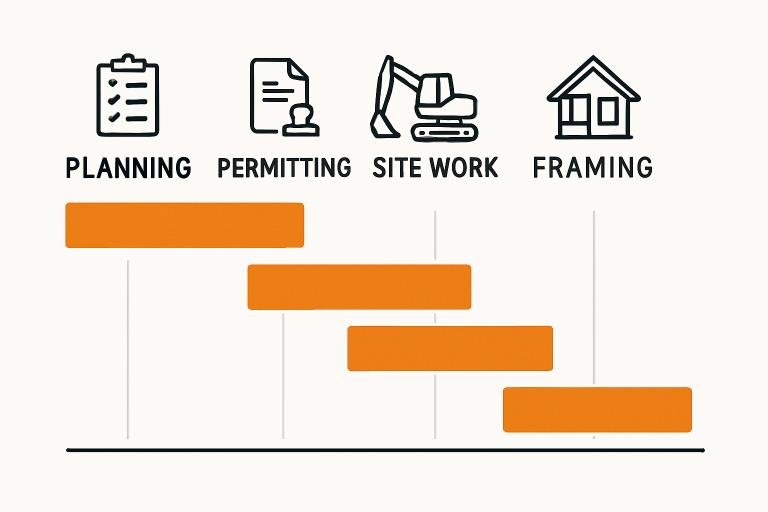
A comprehensive project schedule outlines every sequence of work, from land prep to the final walk-through. Break down the project into clear milestones, such as site grading, framing, electrical work, and finishing details. For larger homes or those with unique features, creating section-specific schedules can help manage overlapping tasks and streamline the work of specialized trades. This level of organization lets you anticipate potential bottlenecks and allocate labor and materials for maximum efficiency.
Optimize Equipment Planning and Availability
When developing a custom construction timeline, it’s essential to account for the machinery required at each stage of the build. Delays often occur when equipment breaks down or when specialized machines aren’t available on-site when needed. Using reliable machinery and sourcing used heavy equipment parts from reputable suppliers can significantly reduce downtime and keep your schedule on track. Incorporating an equipment contingency plan—such as listing backup machines or identifying trusted parts providers in advance—helps ensure that work continues smoothly, even when unexpected mechanical issues arise. This proactive approach strengthens your timeline and minimizes costly interruptions.
Assign Clear Roles and Responsibilities
Custom home construction involves numerous moving parts and various stakeholders, including architects, contractors, subcontractors, and material suppliers. Assigning clear roles and responsibilities from the outset minimizes confusion, establishes accountability, and fosters an environment of collaboration and trust. Everyone on the team should know what is expected of them and how their work integrates with others. Scheduled coordination meetings are useful in aligning all parties and identifying gaps or overlaps in responsibilities early on.
Secure Permits and Approvals Early
Permit delays can derail even the most carefully crafted timelines, especially in busy construction markets. Start the permitting process as soon as your plans are finalized, and work closely with your builder to ensure all documentation is in order. Builders with established relationships at local permitting offices often navigate this stage more smoothly, dramatically reducing the risk of holdups. Early communication with local officials or building authorities can also prevent issues that could otherwise lead to project shutdowns or required redesigns.
Plan for Material Lead Times
With today’s ongoing supply chain challenges, some specialty items—such as custom windows, high-end finishes, or imported fixtures—may take months to arrive. Your builder should provide a fully sequenced selection schedule, clearly indicating when you need to make purchasing decisions to avoid downtime. By accounting for these lead times, you ensure that critical materials are delivered precisely when they’re needed, rather than sitting idle and risking theft or damage on the job site.
Maintain Open and Consistent Communication
Strong, ongoing communication between owners, contractors, and all stakeholders is essential for avoiding unnecessary delays. Weekly meetings—virtual or in-person—help keep everyone informed about progress, changes, or concerns. Consider leveraging project management software or construction apps to provide real-time updates, document sharing, and easy communication. According to Zillow, these tools can significantly enhance coordination and help teams address challenges before they escalate into major setbacks.
Establish a Contingency Fund
No matter how well you plan, surprises are almost inevitable in custom construction. Unforeseen events such as weather changes, hidden site conditions, or changing costs can derail schedules and budgets. Building in a contingency fund—typically 10–15% of your overall budget—provides a financial buffer to address these surprises. This ensures you can handle emergencies swiftly and keep your project moving forward without compromising on quality or having to pause work.
Choose Experienced Professionals
Your choice of builder is perhaps the most critical factor in preventing project delays. Teams with proven records are adept at foreseeing challenges, adapting to shifting circumstances, and leading collaborative, coordinated efforts across trades. Their expertise can be the difference between a seamless build and one riddled with setbacks. Scrutinize portfolios, client testimonials, and local reputation before making your selection to ensure you’re working with a reputable partner.
By methodically applying these strategies, your construction timeline becomes more adaptable, reducing the stress and risk of unwelcome delays. Proactive planning, diligent communication, and aligning with seasoned professionals are the foundation of a custom home build that delivers on time and on dream.