When it comes to resale value, most people believe it’s about mileage and condition (and yes, that plays a role), but it’s also about all of these other random things that people don’t discuss until it’s time for reselling.
These factors either seem trivial at the time of purchase or completely disconnected. Yet they add up and either get you an offer on the fair side of things or get you a bunch of skipped Craigslist postings.
Service Records Matter More Than Service Provided
For example, it’s important to understand that no one cares if you got your oil changes; all they care about is the record of your oil changes. No, not literally, because a deed requires a bit more than an honest man’s word, but with two cars sitting beside one another on a used car lot and one comes with a scrapbook of service records, that car is going to sell much quicker than the one without.
People want proof. Anyone can say they took care of their vehicle, but if someone has documentation showing they did, they’re likely to receive $500 more. You need to keep those receipts – even for the little things. You need to keep them in a folder at home (not in your glove box where they get faded or soaked). And when it comes time to sell, that pile of paperwork will serve you well.
Even worse, if people sense a gap in service history, they get skittish. It doesn’t matter if you were the one who did the work on your car; if they assume you didn’t take care of it for 12,000 miles, they’ll either respectfully decline your offer or ask you to drop it $500 under asking to comply with their gamble in getting your car.
Your Color Choice Will Come Back To Haunt You (Or Benefit You)
Something like color seems to be a personal choice – but it is also a financial one as well.
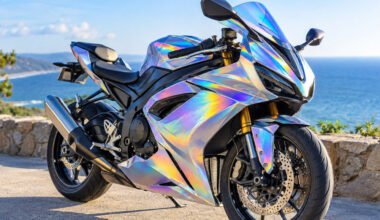
Neutral colors for used cars perth sell better and maintain resale value more than bright colors. And it’s not that bright colors are bad; it’s just that they appeal to fewer buyers. Therefore, when it comes time to resell, there’s less of a buyer pool and less interest in paying what owners hope to receive.
What’s costly is that you may genuinely love that bright color – it may genuinely suit you – but when you go to sell, you’re likely going to find yourself getting low-balled or waiting longer for prospective buyers who are willing to pay what you’re asking.
Dealerships know this as well. If you’re trading in a lime green four-door sedan, they’re probably not going to give you blue book value because they know they’re going to be waiting longer for that vehicle on their lot.
And not every color is made equally. Many dealers assess resale values year after year and find that orange, yellow, and purple cars generally come in last place for resale value. White cars also do well across the board with white cars since it’s hard to keep white clean as it shows dirt.
The Risk Of Original Parts vs. Modifications
Modification is an interesting thing; some people love it, some don’t care for it, and most will use it as a bargaining chip or move on because if they’re buying modified vehicles, they generally take a risk based on unknown adjustments.
Even aftermarket products which require money are discredited by potential buyers – aftermarket exhaust systems mean the system you’ve invested $2000 into gets you $500 resale value – but it makes your car appealing to fewer buyers.
This comes down to concern over what else you’ve done to the car and assuming you’ve abused the engine if you’ve changed various parts of the vehicle up. Did you race it? Did you drive it hard? Regardless of how you’ve been as an owner (fair or unfair), people will likely not buy it.
Therefore, if you’re planning on modifications, try keeping stock parts – or stock parts in general – so if you’re selling down the line, you can provide factory wheels or stock exhaust or original stereo pieces. It means there’s flexibility – and that’s worth something.
Where You Park Your Vehicle
In general, where you keep your vehicle matters – especially twenty thousand miles later from now. If you’ve maintained parking indoors for the most part, you’re going to have better paint quality and less fading interior over time – which makes sense when someone’s attempting to buy two identical vehicles across the lot from each other.
Sun damage doesn’t happen overnight; it slowly happens. Five years versus five years that’s been inside and maintained show buyers lack of damage – someone isn’t going to buy a car where clear coat has been practically stripped across their roof because they can see indentations from 100 yards away and a faded dash interior gets detected quicker.
And when winter surfaces and warmer climates get sandy breezes alongside coastlines, rust accumulates like death sentences for certain vehicles from wear-and-tear. There’s truly nothing a buyer can do once they’ve purchased their vehicle; all they can do is reap what they’ve sown – and educated buyers understand this impact exists.
The Features Everyone Loves (And The Ones That Are Outdated)
Certain features are universally loved and others fall out of style too quickly for anyone to care at the difference in pricing.
Navigation systems are fantastic examples – ten years ago having GPS in your car was cool – but now most people would prefer Google Maps on their phone instead. That $2000 navigation package does not equal resale value.
But safety features are ideal: backup cameras or blind spot monitoring or automatic emergency braking do wonders for buyers – especially families looking for added protection – and they will pay extra premiums if need be for quicker turnaround times on offers should attractive features included make sense for all parties involved.
Leather seats are generally good but probably not enough to matter more than other features – or other premium leather seats condition properly conditioned inside – but sunroofs annoy buyers who anticipate leak opportunities (which may make people questionable). Heated seats? Almost universally appreciated and worthwhile keeping in mind.
The Paperwork Nobody Considers
Aside from service records, it’s paperwork – and none of which people think will truly appreciate value when time comes around – none of them do.
The sticker that proves purchase, manuals and spare keys all add up to more than $200-$500 by piece missing. It’s hilarious how people assume small things like spare keys do not matter – they do! They assume key-fobs for modern-day vehicles cost anywhere from $200-500 to replace – and buyers want that deducted from asking price!
So do missing floor mats or covers for trunk space inside SUVs – as these might be irrelevant compared to options but equal thousands of dollars against asking price should they be absent – but it adds up.
If you’ve bought new, being able to prove its price helps since people want backstory knowledge for peace-of-mind purchasing from someone who otherwise kept their property looking nice.
When To Sell
There are better times than others when selling is justified. For example, tax season means better pricing available since buyers have cash on hand; December is slow; spring/summer are good for convertibles two-door sports cars but somewhere in-between is effective when specifics release anniversary model years.
However what’s celebrated for you is no doubt what’s new/different/new model year coming up – suddenly your car is “last year’s” when it’s only been “this year’s” three months earlier.
The Bottom Line
Ultimately there’s very little one can control with resale value aside from paperwork – market fluctuations dictate what’s where – and newer technology trumps older tech inherently.
But what you can control – service records, appealing colors, stock systems, safe parking areas – all help during thousands of miles down the line make sense between $3000-$5000 on average opposed to thousands lost due to idealistic situations not being cared-for and preventative measures across-the-board.
Ultimately it’s about focusing on documentation versus practical achievable control – but taking appreciation for what you have, keeping it nice down the line for someone else and maintaining everything from day one – even if it’s boring – will put a smile on tomorrow’s buyer’s face.