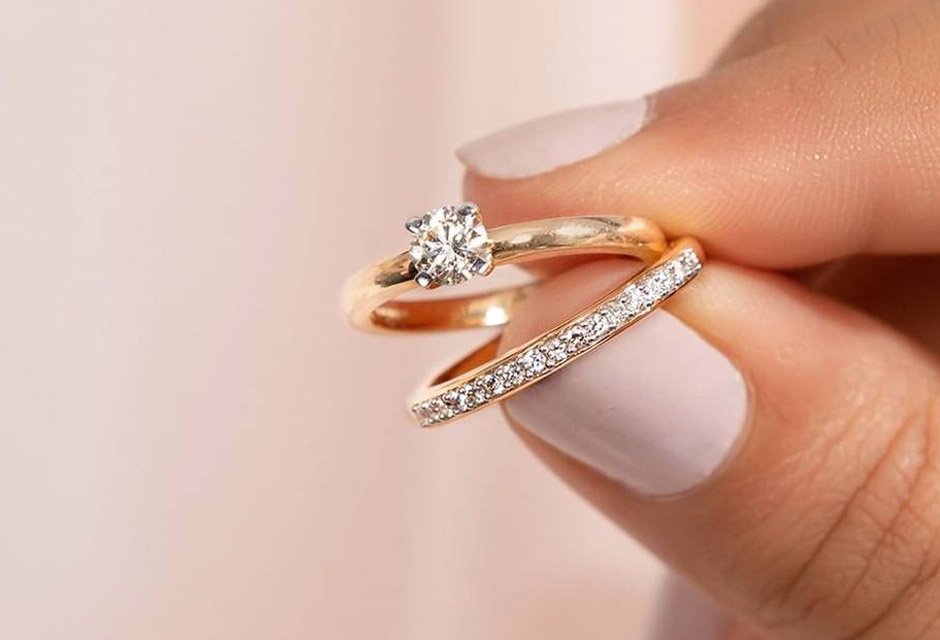
Shouldn’t shopping for rings be a fun experience? Somehow it turns into an awkward, unpleasant yet indecisive process where everything is “nice” but nothing feels truly “right.” People browse case after case, page after page, looking at jewelry that appears spectacular but feels uncomfortable when actually worn. Nothing is inherently wrong with those pieces; they’re simply not that person’s style.
This happens more than people realize. An individual strolls into a jewelry store or browses rings online. Dozens upon hundreds of pieces make their way under an individual’s nose, yet they all leave disappointed or on the fence about what they’ve seen. It’s not indecision nor excessive picky-ness. Instead, it’s just the wrong approach to commercial and universal collections. General collections lack individuality, and that also means they fail to speak to anyone in particular.
The Aesthetic Out of Touch
Here’s typically what happens. Someone feels the need to buy a ring. Is it an engagement piece? An anniversary present? Something just to celebrate a moment in time? Regardless, once someone makes that decision, they inevitably run into an issue by looking at trend driven designs. They’re pretty enough, but they’re too generalized to actually be personal.
Where some expected effort becomes perceived quality, jewelry appears beautiful in person and professionally made enough to showcase via photos, and yet when it’s time for someone to engage with that on a personal day to day basis, it seems too formal, decorative, or trendy. A ring is something that’s worn all day, every day. Thus, if someone cannot envision wearing it consistently, something isn’t right.
This becomes even worse when searching for a sentimental connection. Engagement rings, wedding bands or anything that celebrates life altering moments becomes pretty enough to settle for, or good enough to have, leading to an internalized level of disappointment. At this level, one can appreciate the effort but ultimately feels disappointed that it could have been more special.
The Designer with a Vision Makes All the Difference
A select few designers appeal to those individuals who understand that intention trumps need when it comes to aesthetics. They rely upon collections with a specific aesthetic perspective rather than attempting to please everyone and therefore invalidating their truest purpose.
Designers develop collections based on learned preferences, observed details and resulting cohesive judgment over the materials, proportions, details and overall sense of what makes it look like a collection over a jumbled mess from different sources. This seemingly straightforward detail matters because now there are collections from which to choose, and ultimately fall in love with.
At the same time, this means collections are cohesive enough to lean into their aesthetic perspective. No one interested in minimalism will talk themselves into ornate jewelry that feels antiquated and vintage-inspired. Conversely, someone comfortable with bold, eye-catching pieces won’t force themselves to appreciate something delicate and understated. Mr Alex Rings Collection epitomizes this approach where designed items maintain enough consistency that if someone connects with one piece, they’ll likely appreciate the entire collection.
This matters because now it’s a sense of recognition rather than a decision made from solely educated research. When something is aesthetically conceived, collections are made with a universal theme that works cohesive enough so that instead of piecing through variations about which minuscule detail is more favorable than not, someone can delve into their favorite and note what makes sense within.
The Easy Clarity of Design
Design makes all the difference. Jewelry speaks an unspoken language through its most subtle components, which eventually add up to meaningful consideration without people even realizing what’s at stake. Band weight and thickness; stone dimensions relative to metal composition; configuration and finish; overall geometry.
Someone comfortable will visually interesting effects resonates with pieces that boast presence. They appreciate larger stones, extensive differentiating metalwork, cuts that play with light in effective ways. Conversely, if jewelry is understated, it’s lacking. It fails to express what’s being said through wearable experiences.
Conversely, some individuals simply want jewelry that blends into their overall aesthetic without a problem. Meaning it needs to be substantial enough for people to appreciate its worth and level of quality but innate enough as an integration piece does wonders for the overall aesthetic. For those who boast gaudy and overtly brash pieces, it’s too much, they feel uncomfortable.
Neither option is wrong; it’s wrong when they’re combined. Purchasing pieces that merely fit forced inclinations means something constantly needs to be adjusted whenever someone sees it, or worse, has to explain its presence meaning it fails to ever resonate.
The Pinterest Predicament
Social media makes life both easier and harder when it comes time to figure out various options for jewelry buying endeavors. It’s easier because thousands upon millions of options are saved by thousands upon millions of people for aesthetics and personal evaluations of what works best.
However, it’s hard because social media doesn’t reflect immediate reality but often results in aspirational clout, which is dangerous at worst. Someone looking at dozens upon dozens upon dozens of inspiring vintage jewelry options boasts Pinterest boards filled with strong contenders. However, on the other hand, someone whose worn structured clothing her whole life never owned anything remotely vintage inspired should get a clue that her Pinterest board represents something conceptual rather than ideal.
It complicates things when it comes time to shop for jewelry. Should this person follow her Pinterest board or what she actually wears? It’s a no-brainer as the answer reveal itself blatantly, but alas! In this era of aspirational appeal where nothing is relatable anymore except through unrealistic circumstances begs forced realities onto those who should know better.
Reality prevails because someone whose forever lived in jeans will not switch their wardrobe overnight because an ornamental antique style ring fits the bill better; nor will someone whose dressed so minimally suddenly become bohemian chic with a focus on nature influenced pieces. There must be reality relative realities in which people live day to day without any sudden shifts that lessen their authentic appeal.
When Quality Count for More Than Quality’s Sake
Quality isn’t defined purely by materials and meticulous hand stitching, surely, though this matters tremendously; it’s how well something is designed for its purpose to hold value as well. A ring can boast fabulous materials and superior caliber construction, but if it’s poorly crafted for all intended purposes, not the user’s fault, then it isn’t going anywhere.
Rings beautiful on display but complicated when it comes time to put clothing on go back to the drawer; those that are too tight for wear after hours or too extensive for hand proportions are moves forward as great suggestions go back to square one.
It’s relatively simple why attempting to force one choice based on inherently celebrated aspects gets complicated…because while those universal measures count infinitely toward consideration, there exists little proper connection between actual day to day realities and since simple occurrences rooted in ideal impressions.
Generating Confidence through Personal Aesthetic Taste
Sometimes one’s love of personal taste comes down to whether or not experts make them feel insecure about it in the first place. For example, mass marketing sees certain rings boast trends while others dismissed as overly bold or too tacky.
But what if those opinions are wrong? What if they must be overridden by professional suggestion? What if personal accomplishments are reduced to just another anecdotal presentation?
This insecurity fosters failure because then people beat around the bush with uncertain ideas because they settle for trends that lessen their truest appreciation for what’s at stake; someone who’s loved solitaries is encouraged to learn they’re standard but might risk disapproving the actual validity of weighted quality making.
Simultaneously, others celebrate designs offered now aesthetic compositions limit what’s truly favored when, in reality, a ring should boast uniqueness instead of settling because it’s safe but lackluster.
Unfortunately, trends speak more than personal preference; anyone who loves yellow gold in today’s white metal only world should understand their stake can always appeal if one boast’s a colored stone interest instead of clear diamond…if nothing resonates with the group based on arbitrary bias exclusion.
This highlights the “best” plausible systems among people who have notions built in confidence about their personal aesthetic without caring how others idolize it, and how it looks in pictures and how everyone else wears them, aiding aesthetics for mental health purposes since imagined creations don’t necessarily match their reality.
The Best Choice, At Last!
There’s so much pressure when it comes time to announce intent behind desire for rings, where no one wants to settle but everyone wants to find perfection, and unfortunately it’s tied to contractual obligation without any ring thanks.
Ideal doesn’t matter; what matters is finding something that feels authentic to personal style and will continue feeling that way over time. Collections with distinct design perspectives make this easier because they provide clear options. Someone either responds to the overall aesthetic or they don’t, which simplifies the decision making process. Within collections that resonate, specific choices become about preference rather than agonizing over whether something is “right.”
The goal is walking away with jewelry that brings consistent satisfaction rather than buyer’s remorse or ambivalence. That satisfaction comes from pieces that align with actual taste, regardless of whether that taste matches current trends or conventional wisdom about what rings should look like.