Key Takeaways
- Delaying home repairs often leads to higher costs, safety risks, and reduced property value.
- Minor issues, such as leaks or electrical faults, can escalate into major structural or health problems if left unaddressed.
- Energy inefficiencies caused by neglect lead to increased utility bills and a greater environmental impact.
- Regular inspections, maintenance funds, and the services of qualified professionals are essential strategies to protect your home, finances, and family’s well-being.
Introduction
Many homeowners view postponing necessary repairs as a way to save money in the short term. The logic seems simple: put off non-urgent tasks so that you can focus your resources on immediate priorities or avoid spending altogether when budgets are tight. However, this choice often creates more problems than it solves, leading to significant financial burdens, compromised safety, and lost equity in the long run. Minor repairs today can quickly develop into extensive and expensive problems as they worsen over time. Engaging experienced Seattle restoration professionals ensures that issues are identified and addressed promptly, preventing minor problems from escalating into major expenses. Addressing restoration needs promptly isn’t just a matter of convenience—it’s an essential step to safeguard both your home and your investment. It also cultivates peace of mind, knowing that you are not overlooking minor issues that could cause major headaches. Whether you’re tackling minor fixes or major projects, understanding the hidden costs associated with delays is crucial for every property owner to prevent avoidable disasters and expenses in the future.
For homeowners in and around the Puget Sound region, the rainy climate and seasonal fluctuations make home upkeep especially important. Those considering home improvement or emergency repairs should turn to qualified local experts for timely evaluations and honest advice.
Escalating Repair Expenses
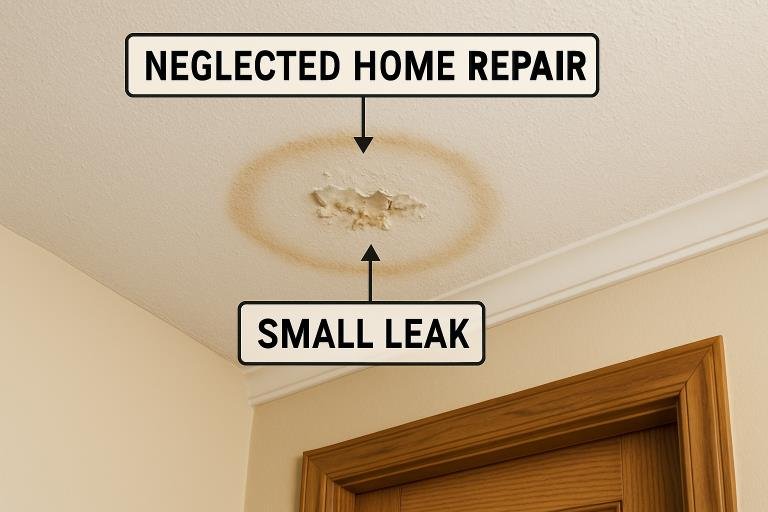
Seemingly insignificant problems can escalate into critical and expensive situations if left unaddressed. Take, for instance, a small roof leak: While it may start with nothing more than a faint stain on your ceiling, left unchecked, it can saturate the insulation, damage the drywall, and even cause rot in the structural beams. Over time, water can penetrate deeper into your home’s structure, causing damage in hidden areas that require complex, invasive repairs. The financial consequences of ignoring repairs are well-documented. According to a study highlighted by KJRH, homeowners who delay maintenance face, on average, more than $5,600 in additional repair costs than those who act quickly. That extra cost is not just due to inflation or labor—it’s the direct result of compounded problems that snowball into extensive overhauls.
This escalation doesn’t stop with the building structure alone. Plumbing leaks, for example, can progress from a slow drip under the sink to widespread water damage, ruining hardwood floors, causing tile to separate, and attracting pests such as termites or carpenter ants that thrive in moist environments. Water damage is particularly insidious; not only does it affect floors and walls, but it can also infiltrate electrical wiring, short-circuit outlets, and damage your home’s foundation. The compounded expenses aren’t limited to immediate restoration, but often extend to adjacent systems and finishes that require repair or replacement. This is why the price tag of procrastination is always higher than prompt repair.
Health and Safety Risks
Home maintenance delays often place occupants at significant risk. Water intrusion, a common problem in the Pacific Northwest, can spark mold growth within just 24 to 48 hours. Once established, mold is difficult to eliminate, often requiring specialized remediation teams and the replacement of contaminated materials. Mold is associated with a range of respiratory problems, allergies, and even neurological effects, particularly among children and individuals with compromised immune systems. Prolonged exposure to mold spores can weaken the immune system and exacerbate chronic respiratory issues. The Centers for Disease Control and Prevention warns about the dangerous health impacts of mold, emphasizing the importance of prompt action for water damage as essential for maintaining health and well-being (CDC Mold Information).
Beyond mold and moisture, fire hazards can become a concern when routine electrical issues go unaddressed. Frayed wiring, overloaded circuits, and malfunctioning outlets are some risks that, if left unchecked, can result in devastating house fires. Often, early indicators such as flickering lights or frequent circuit breaker trips are disregarded as minor annoyances, but these are warning signs of potentially hazardous conditions. Addressing these concerns early, rather than waiting for signs of trouble, is crucial for maintaining a safe living environment. Keeping your home’s systems in good order is not just about comfort—it’s about protecting the people who live there.
Increased Energy Costs
Inefficiencies in insulation, outdated windows, and old HVAC systems can quietly drain your budget. Over time, small cracks in windows and doors allow air to escape, forcing your heating or cooling system to work harder than necessary. As energy prices continue to climb, neglecting these upgrades or repairs comes with the added penalty of escalating monthly bills. Air leaks, poor insulation, and malfunctioning equipment can be significant contributors to driving up your home’s energy consumption, straining your finances year-round and leaving you with less discretionary income for other needs.
Research from the U.S. Department of Energy highlights the hidden but very real impact of home inefficiencies on monthly utility bills. Upgrading to energy-efficient appliances, sealing windows, and investing in quality insulation are all practical steps that pay long-term dividends by lowering your bills. Timely intervention with energy-efficient upgrades not only saves you money but also helps reduce your carbon footprint and increases comfort for your household. As energy costs continue to fluctuate and environmental concerns become more pressing, delaying these improvements only postpones the financial and ecological benefits of a well-maintained, efficient home.
Decreased Property Value
Pushing repairs to the back burner often comes at the expense of your home’s market appeal—and selling price. Visible issues like warped flooring, water-stained ceilings, peeling paint, or drafty windows can send red flags to potential buyers and lead to lower offers or extended periods on the market. Savvy buyers are quick to spot these deficiencies and will factor the cost of repairs into their offers—often overestimating the burden and discounting the asking price even further. In competitive markets, neglect can cost more than just a repair bill: It can mean thousands lost in equity as well as protracted selling timelines that put investments on hold and increase your overall carrying costs, such as mortgage payments and property taxes.
Insurance Complications
Most homeowner insurance policies include provisions requiring prompt action to mitigate damage. Failing to do so can lead to complex disputes or outright claim denials. For example, if flooding damages your basement and isn’t handled swiftly, your insurer might attribute significant damages to neglect, leaving you responsible for all or part of the cost. Documentation of timely repairs and evidence of ongoing maintenance are often requested in the claims process, so procrastination not only increases potential damage but also creates hurdles when seeking financial support after an incident has occurred. Proactive maintenance is as much about financial protection as it is about preserving your property itself.
Strategies to Avoid Hidden Costs
- Regular Inspections: Conduct periodic checks of roofing, HVAC, plumbing, and electrical systems to spot early signs of trouble and address them before they escalate. Create a calendar of seasonal maintenance tasks to stay organized and ensure nothing falls through the cracks.
- Maintenance Fund: Establish a savings buffer specifically for home maintenance to avoid financial strain in the event of urgent situations. By setting aside a small amount each month, you can reduce stress and pay for repairs as they arise, rather than falling behind and letting issues worsen.
- Professional Assistance: Consult and hire qualified local tradespeople for assessments and repairs to ensure safety, code compliance, and high-quality workmanship. Trusted professionals can also recommend the most cost-effective long-term solutions for your home.
Final Thoughts
Delays in home restoration carry significant risks, including rising repair bills, potential health and safety hazards, increased utility costs, declining property value, and even insurance complications. Every homeowner benefits from adopting a proactive mindset, investing regularly in inspections, and seeking professional assistance for timely restoration. By acting quickly, you safeguard your property, your finances, and your family’s well-being—ensuring your investment stands the test of time and delivers lasting value.