Seniors must carefully monitor their health, as they are prone to health conditions they may not have anticipated when they were younger. For example, they might find they have trouble swallowing food and drinks. This is something that most people can barely fathom. Eating is no longer a thing to enjoy but something many people with dysphagia dread because each meal could lead to severe health issues.
While anyone can develop a swallowing disorder, seniors are at the highest risk because muscle tone naturally decreases with age. This loss of tone affects the muscles involved in swallowing. Furthermore, individuals with dementia may forget how to swallow. They then should cough or choke when the food enters the windpipe. The doctor refers to this aspiration, and it puts the senior at a higher risk of pneumonia.
Seniors who have had a stroke, those with certain types of cancer, and men and women with Parkinson’s disease are also at higher risk of developing this disorder. Caregivers need to check out SimplyThick to help these individuals properly chew and swallow their food. What additional steps can be taken to ensure the safety of meals for these seniors?
Thickening Liquids
Individuals with dysphagia often struggle with drinking. Thickening their drinks can make them safer. If these liquids aren’t thickened, the individual may choke, cough, or aspirate the liquids. Thick liquids are less likely to be aspirated because they move slowly through the digestive tract. The person has more control over the rate at which these fluids move through their body.
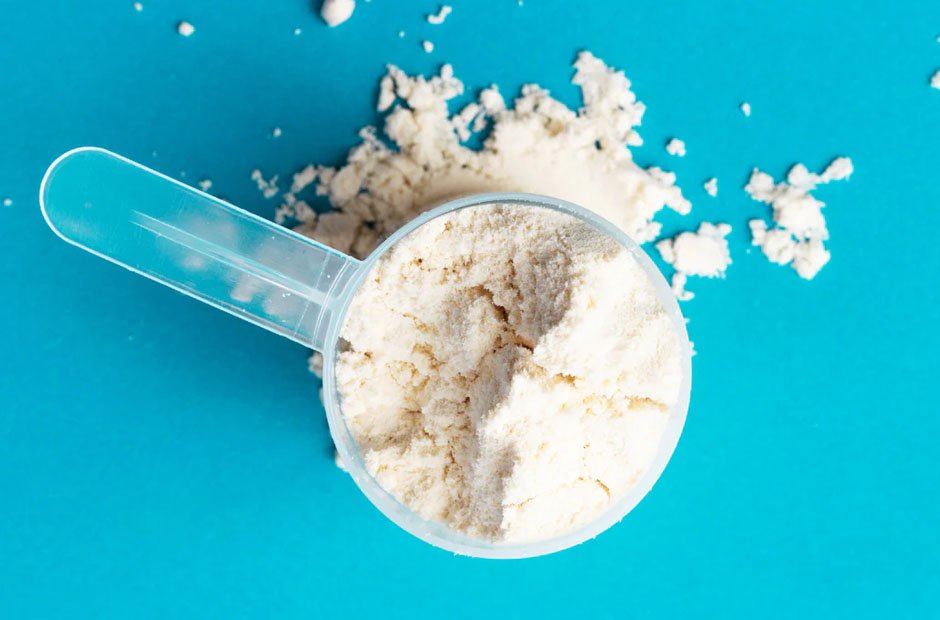
Commercial thickeners are ideal for this purpose. They come in various textures and flavors, allowing individuals to try different ones until they find one they like. People typically use these products with beverages, but they can also be used in food as a substitute for powdered potatoes, rice cereal, or tapioca.
Seeking Treatment for Dysphagia
Individuals often assume a doctor will diagnose them with dysphagia and provide them with a treatment plan. However, many individuals find they need to see a speech pathologist. This medical professional conducts a swallow study to determine the extent of the condition and how foods and beverages need to be modified for thickening.
Some people need mildly thick liquids that are the consistency of cream. These liquids can be consumed with a cup. As the condition progresses, the person may find that they need moderately thick beverages with the consistency of a milkshake. A person can typically eat moderately thick liquids with a spoon. Extremely thick liquids are those that must be eaten with a spoon because they have the consistency of mousse.
Choosing a Thickener
Commercial thickeners come in several forms. Starch-based thickeners absorb liquid and quickly thicken. However, these beverages must be consumed immediately because the liquid will continue to thicken as it sits. Furthermore, if the beverage is placed in the refrigerator, it will thicken quickly.
Gum-based thickeners don’t change consistency over time. However, a person must figure out how to shake or blend the beverage to ensure it achieves the right consistency. Care must be taken when using these products, as they may interact with beverages and cause clumping in the drink.
Individuals with dysphagia should try both types of thickeners to determine which they prefer. This may take trial and error on the part of the individual and their caregiver. Thickened liquids reduce the risk of aspiration, but they must be tasty to ensure the patient remains hydrated. When this product is found, they can enjoy meals once again.