On a quiet street, tucked between a coffee shop and a row of weathered houses, sits a building with tall windows and understated charm. Its sign doesn’t shout; it simply bears a family name and, in smaller letters, “Funeral Home.” Many people pass by without a second thought—until the day they need to step inside.
Funeral homes are the kind of places you don’t think about until life insists you must. In moments when grief feels too heavy to carry, these spaces and the people within them offer something unexpected: order, guidance, and a subtle kind of care that speaks volumes without saying much at all.
More Than Just a Building
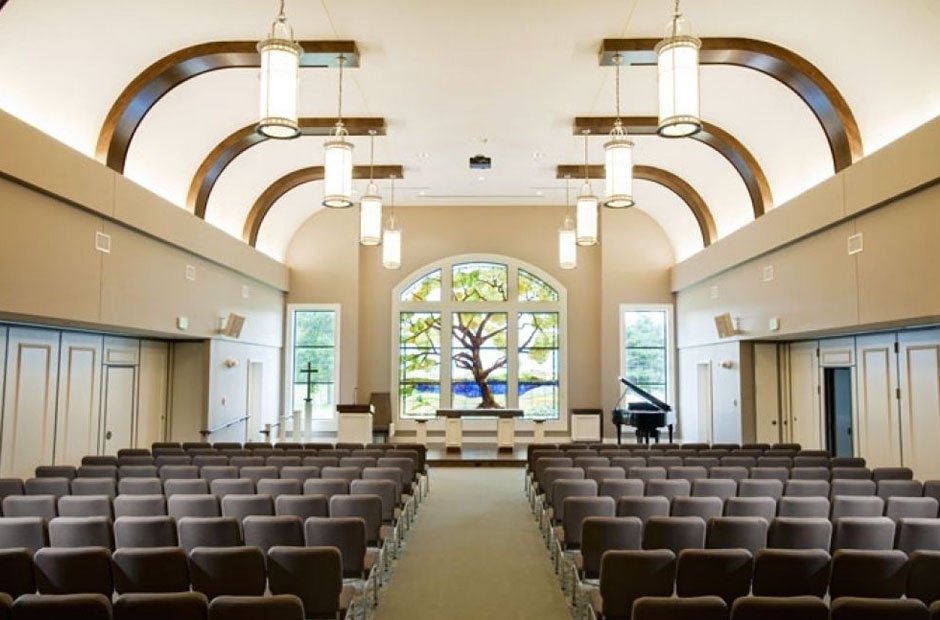
From the outside, a funeral home might look like any other well-kept residence or professional office. Inside, however, is a carefully balanced blend of the practical and the personal. There are reception rooms where guests gather to pay respects, offices where arrangements are made, and quiet corners where family members can simply sit and breathe.
The core function seems straightforward—help families arrange and carry out funerals—but the reality is far more intricate. Funeral homes are equal parts logistics hub, counseling center, and ceremonial space. Behind the calm atmosphere is a flurry of unseen work: securing permits, preparing the deceased, coordinating with cemeteries or crematoriums, and ensuring that every detail of the service reflects the family’s wishes.
Think of it like a backstage crew in theater. The audience—the grieving friends and relatives—see a seamless performance. But behind the scenes, the funeral directors and staff are adjusting lights, setting props, and making sure no one notices when the curtain almost gets stuck.
The People Behind the Doors
At the heart of every funeral home are the professionals who run it. While many people imagine their job as somber or morbid, the truth is it requires a remarkable range of skills. Funeral directors must be part organizer, part grief counselor, part diplomat, and part storyteller.
Consider what happens when a family walks in after a loss. No two situations are alike. One family might have very specific cultural traditions to honor; another might be unsure of what they want at all. A good funeral director listens first—not just to the words, but to the pauses, the unsaid things. Then they translate those needs into a plan: the right location, music, readings, floral arrangements, and timing.
It’s not unusual for them to help write obituaries, prepare eulogies, or even mediate between relatives who disagree about arrangements. They’ve seen the spectrum of human grief, from stoic silence to open wailing, and they know how to make space for both.
Why Funeral Homes Matter More Than We Realize
In a culture that often avoids talking about death, funeral homes stand as one of the few places where loss is openly acknowledged. They give families something invaluable: structure in a time when everything feels unmoored.
Without such structure, grief can feel chaotic—like trying to pack for a journey without knowing the destination. The rituals facilitated by funeral homes provide a kind of emotional scaffolding. The viewing, the procession, the service—these steps may seem simple, but they help people begin to process reality.
Real-world example: In 2020, when COVID restrictions limited gatherings, many families were forced to postpone or radically change funerals. Funeral homes responded creatively—setting up livestream services, drive-through visitations, and even outdoor memorials. While these adaptations couldn’t replace in-person comfort, they still offered a vital space for acknowledgment and farewell.
Changing Traditions, New Possibilities
Just as weddings have evolved to reflect personal taste, funerals are becoming more personalized. Many funeral homes now offer non-traditional options: eco-friendly burials, celebration-of-life events, and themed memorials that reflect the passions of the deceased.
One story stands out: a funeral home in Oregon once arranged a memorial for a retired schoolteacher where guests sat in desks and wrote personal memories on slips of paper, which were later bound into a keepsake book. Another hosted a service for a lifelong gardener where the reception tables overflowed with potted plants for guests to take home—a living reminder.
Far from being stuck in tradition, funeral homes are increasingly open to helping families create farewells that feel authentic rather than formulaic.
The Emotional Labor We Don’t See
It’s easy to forget that the people working in funeral homes are human, too. They witness grief day after day, yet must remain steady and composed. This emotional labor can be taxing, but many in the profession describe it as deeply rewarding.
One funeral director once described it this way: “We can’t take away someone’s pain, but we can carry the details for them while they carry the loss.” That act—quietly holding the weight of logistics so others can focus on their memories—is a kind of service that doesn’t make headlines but changes lives.
A Quiet Kind of Legacy
In many communities, funeral homes have been run by the same families for generations. Their role becomes part of the town’s fabric. They’re there in the background during the hardest chapters, helping neighbors say goodbye.
If you’ve ever attended a well-run service, you might have left thinking only about the person you were there to honor. And that’s the point. Funeral homes aren’t meant to be the center of attention—they’re there to make sure your focus stays exactly where it should be.
Final Reflections
Funeral homes are more than somber buildings where services take place. They are places of transition—bridges between a life that was and the life that must continue without that person. They hold the practical and the sacred in equal measure, helping people navigate one of life’s most difficult passages with dignity and compassion.
The next time you pass by a funeral home, you might still keep walking without a second glance. But somewhere inside, there’s likely a team quietly arranging flowers, polishing the guestbook stand, or rehearsing the service order—making sure that when someone’s world feels like it has stopped, there’s a space where it can gently start moving again.