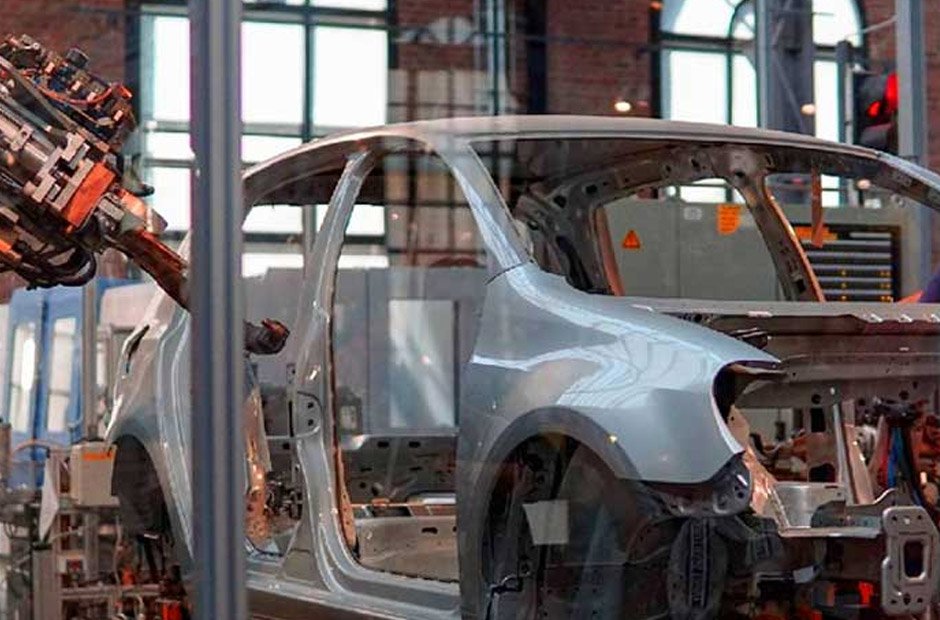
In the race to meet rising global demand and tighter production schedules, the automotive industry is turning to a powerful ally—automation. From robotic arms welding car frames to AI-driven quality checks, automation is no longer just a futuristic vision. It’s reshaping the way vehicles are designed, assembled, and delivered. This evolution, like Quality Inspection Tools For Streamlined Production, is helping manufacturers boost productivity, reduce errors, and cut costs, all while maintaining high safety and quality standards. Here’s how automation is redefining vehicle production efficiency, one assembly line at a time.
1. The Rise of Robotic Assembly
Modern assembly lines are increasingly filled with robots performing tasks that were once manually done. These machines handle repetitive and high-precision jobs like welding, painting, and installing components. Robots can work around the clock without breaks, fatigue, or fluctuations in performance. This leads to consistent output, faster production speeds, and a major drop in workplace accidents. Leading manufacturers like Toyota and BMW have integrated hundreds of robots into their production floors to streamline workflow and ensure tighter build tolerances.
2. Smart Sensors and Real-Time Data
Automation goes beyond mechanical arms. Embedded sensors and connected devices across the factory floor now collect real-time data on everything from machine temperature to part placement accuracy. This data allows engineers to predict potential malfunctions and make timely interventions before problems disrupt the line. Real-time monitoring, along with Quality Inspection Tools For Streamlined Production, also ensures that each vehicle meets the same quality benchmarks, reducing the number of recalls or defects found after vehicles leave the plant.
3. AI-Driven Quality Control
Artificial intelligence is changing how quality control is handled. High-resolution cameras, quality inspection software, and machine learning algorithms can now detect microscopic flaws in paint finishes, welds, or component fits. These systems “learn” from every inspection, getting smarter and more accurate over time. Unlike human inspectors who might miss subtle issues after hours on the line, AI never loses focus. This ensures that every vehicle rolling off the line meets rigorous safety and quality standards without bottlenecking the process.
4. Collaborative Robots on the Line
Known as “cobots,” collaborative robots are designed to work side by side with human workers. Cobots handle heavy lifting, repetitive tasks, or ergonomically challenging movements while workers manage complex decision-making or fine motor skills that machines can’t replicate. This human-robot teamwork reduces strain on employees, improves safety, and increases overall throughput. It also helps retain jobs by shifting workers into supervisory or maintenance roles instead of replacing them entirely.
5. Automated Logistics and Parts Delivery
Production efficiency isn’t just about assembling the car—it also involves how parts and tools are delivered to the right place at the right time. Automated Guided Vehicles (AGVs) and drones are now used to transport parts across factories, reducing delays and manual handling. These systems follow pre-programmed routes, respond to real-time changes in workflow, and keep the assembly line stocked and moving without interruptions.
6. Shorter Lead Times and Mass Customization
One of the greatest benefits of automation is flexibility. Previously, customizing a car model would slow down production. But now, advanced automation enables manufacturers to accommodate changes in design, trim, or features without halting the line. Software updates allow the system to switch seamlessly between configurations, making mass customization not only possible but profitable. This means customers can get the exact features they want without waiting months for delivery.
7. Sustainability Through Efficiency
Automation also supports sustainability goals. By reducing waste, optimizing material usage, and cutting energy consumption through smart systems, manufacturers are making vehicle production more eco-friendly. Fewer defects mean fewer discarded parts, and energy-efficient robots help reduce the overall carbon footprint of production facilities. As environmental regulations tighten, automation offers a path forward that balances productivity with responsibility.
8. Preparing the Workforce for the Future
While automation enhances efficiency, it also shifts the skillset needed on the factory floor. Workers are increasingly being trained to operate, program, and maintain automated systems. Upskilling programs and certifications in robotics and AI technologies are becoming common in the automotive sector. Rather than replacing workers, automation is pushing them into higher-value roles that require problem-solving, technical knowledge, and adaptability.
Conclusion
In a world where speed, precision, and adaptability define success, automation has become the engine driving vehicle production forward. It’s transforming factories into smarter, safer, and more efficient environments while opening new doors for innovation and sustainability. As technology continues to evolve, so will the assembly line—faster, smarter, and more human-machine connected than ever before.