Personal injuries occur frequently in daily life, creating a range of challenges for the affected individuals and their families. From lost wages to long recovery periods, the effects of an unexpected injury can be overwhelming. For those who face significant consequences after an accident in Georgia, contacting an experienced injury lawyer in Marietta can be an important step toward understanding your rights and pursuing fair compensation. However, the best outcomes stem from prevention whenever possible.
Unfortunately, some of the most common sources of personal injury are entirely preventable. Identifying the situations and behaviors that lead to these incidents empowers people to take action and safeguard themselves, their loved ones, and their communities. Prevention not only avoids physical pain but can also reduce emotional distress and financial burdens for everyone involved. By increasing awareness and practicing safety, individuals play a crucial role in minimizing risks.
While legal help is vital after an accident, proactive steps are always the most effective way to prevent injuries before they occur. Whether at work, behind the wheel, or during recreational activities, practical strategies make a real difference in staying protected and healthy.
Motor Vehicle Accidents
Car and truck accidents remain one of the top causes of injury in the United States. Many collisions are linked to unsafe behaviors like distracted driving, excessive speed, and impaired operation. Drivers who look away from the road for even a few seconds to check a phone or adjust the radio can cause catastrophic incidents. Additionally, driving under the influence of alcohol or drugs greatly increases the odds of a serious crash. Reckless driving, such as running red lights or ignoring traffic signals, further increases the risk.
To reduce the likelihood of motor vehicle accidents, drivers should keep their attention on the road, obey posted speed limits, and avoid risky behaviors. Regular vehicle inspections and maintenance can also help prevent mechanical failures that might contribute to an accident. According to the National Highway Traffic Safety Administration, following these key precautions can dramatically reduce fatalities and injuries on the road.
Slip and Fall Incidents
Slip-and-fall injuries are common in both public and private spaces. Wet or recently cleaned floors, uneven pavement, loose rugs, and poor lighting can all cause someone to lose their balance. In restaurants, grocery stores, and offices, these hazards often go unnoticed until an injury occurs. Inappropriate footwear can also increase the risk, especially in slick or unstable environments.
Prevention strategies include installing warning signs near wet areas, promptly repairing floor defects, ensuring walkways are well-lit, and encouraging the use of shoes with non-slip soles. Businesses should also conduct routine safety inspections to catch and fix hazards before someone gets hurt. The Centers for Disease Control and Prevention provides valuable resources for preventing falls, especially for older adults.
Workplace Injuries
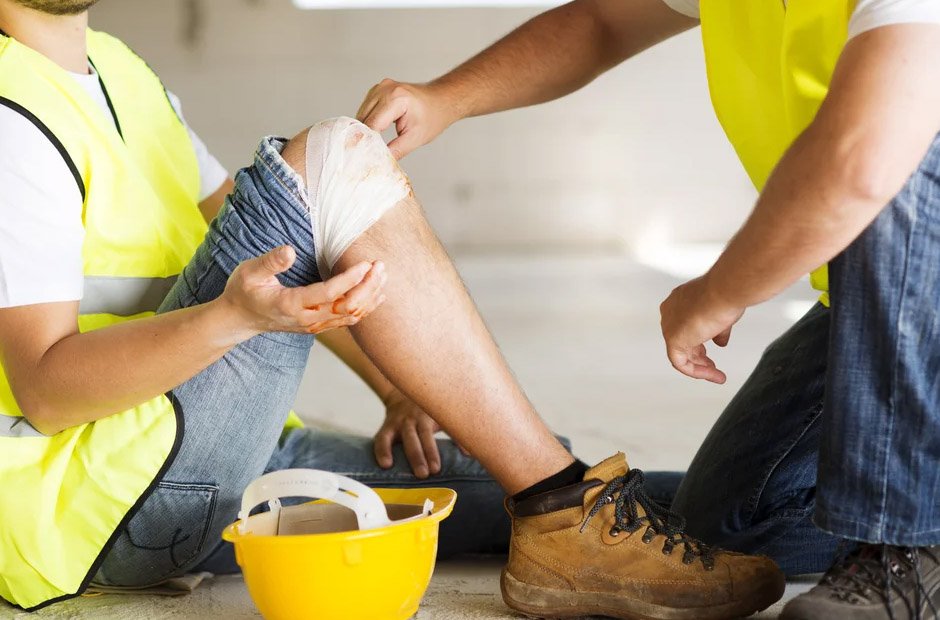
Workplace injuries often happen when protocols are ignored or when workers are not properly trained. Construction sites and manufacturing facilities can be especially hazardous, but even office workers face risks from repetitive strain or ergonomically poor environments. Workplace accidents commonly result from unsafe conditions, a lack of protective gear, and inadequate supervision or instruction when using specialized equipment.
Employers can prevent injuries by maintaining safe workspaces, requiring the use of personal protective equipment, and offering regular safety training. Employees should be encouraged to report unsafe conditions and participate in safety programs.
Dog Bites and Animal Attacks
Animal-related injuries, particularly dog bites, affect hundreds of thousands of people yearly in the United States. The severity can range from minor punctures to significant tissue damage or infection. Children are at higher risk due to their size and tendency to interact with animals more unpredictably. To minimize these risks, approach unfamiliar animals with caution, keep close supervision over children around pets, and ensure pets are properly trained and socialized. Prevention also includes respecting animals’ boundaries and educating the community about safe interactions.
Burns and Chemical Exposures
Burn injuries can result from direct contact with hot surfaces, fire, boiling liquids, or even exposure to caustic chemicals found in workplaces and households. Hundreds of thousands of people require treatment for burns each year, with a significant number leading to hospitalization. Installing working smoke detectors and regularly checking them improves home fire safety. When handling chemicals, always use recommended protective gear and follow safety instructions. Keep flammable items away from stoves, space heaters, and other heat sources to reduce the risk of fire.
Sports and Recreational Injuries
Participating in sports or recreational activities without proper precautions can quickly lead to preventable injuries. Common mistakes include neglecting to warm up, using the wrong equipment, or pushing beyond one’s physical limits. Sprains, fractures, concussions, and muscle strains occur frequently when safety guidelines are ignored. Reduce the chance of injury by using well-maintained gear, stretching before activity, engaging in conditioning programs, and listening to your body’s signals to prevent overexertion. Coaches should reinforce these messages and ensure all players understand relevant safety practices.
Drowning Incidents
Drowning incidents are tragically common, particularly among young children and inexperienced swimmers. Pools, lakes, and even bathtubs present hazards if proper safety protocols are overlooked. Constant adult supervision is key whenever children are in or near water. Fencing pools with self-closing, self-latching gates can prevent unauthorized access. Learning swimming and water safety skills, as well as ensuring easy access to life-saving devices, can significantly reduce risks. Water safety campaigns promoted by organizations such as the American Red Cross provide essential tips to avoid water-related accidents.
Heat-Related Illnesses
Extreme heat poses hidden dangers for workers, children, athletes, and the elderly, leading to illnesses such as heat exhaustion and heat stroke. Prolonged exposure during peak summer months is especially hazardous for those without adequate shade or hydration. Symptoms to watch for include dizziness, headache, confusion, and nausea. Employers are responsible for offering breaks, water, and cool resting spots for at-risk staff, and event organizers should do the same for attendees outdoors. Individuals should limit strenuous activity in hot weather and remain vigilant for early warning signs of overheating.
Preventing personal injury is possible through simple, proactive steps in everyday situations. By being aware of common hazards, making safety-conscious choices, and educating others, communities can significantly lower the risk of life-changing injuries for everyone.